The fate of two key White House aides in the CIA leak probe may well determine who President Bush selects to replace Harriet Miers as his nomination to the Supreme Court, according to Cornell Clayton, a professor in the WSU Department of Political Science.
Whether the president opts for a more politically divisive conservative nominee or one likely to have an appeal on both sides of the aisle may well hinge on the actions of Special Counsel Patrick Fitzgerald, said Clayton, who received his doctorate from
Should the special prosecutor indict both Vice President Dick Cheney’s chief of staff, I. Lewis “Scooter” Libby, and Bush’s top political adviser, Karl Rove, Clayton said the White House may well opt for a more conservative candidate.
“If both Libby and Rove are indicted, the White House strategy may be to nominate a divisive, outspoken conservative whose nomination will lead to a pitched battle in the Senate, such as Janice Brown or Edith Jones, in an effort to distract attention from the prosecution and investigation of the White House,” Clayton said.
“If, on the other hand, there are no indictments, or only Libby is indicted, then there will be more incentive for the president to seek a consensus candidate who, while strongly conservative, could be more easily confirmed, such as a Michael McConnell,” he said.
The decision to announce Miers’ withdrawal from consideration for the high court post one day prior to the expected announcement of indictments in the leak investigation also was a “clear political calculation,” Clayton said.
“It was already clear that she was not going to do well in hearings and her withdrawal was increasingly inevitable,” he said. “By making the announcement a day in advance of the special prosecutor’s indictments, Mier’s withdrawal effectively becomes a one-day story.”
Clayton has been a Senior Fulbright Scholar, a Mellon Scholar and a Truman Scholar and has held fellowships at the European Union Institute, the Salzburg Seminar Institute and the
Next Story

WSU Global Campus student ambassador shines during #CougsGive Day
Aunjelique Andersen, a fully online student pursuing her degree in Media Innovation, ranked first on the #CougsGive Ambassador Leaderboard, inspiring 54 gifts through her outreach.
Recent News

WSU SURCA undergraduate researchers earn 65 awards
Seventy‑three students who participated in the Showcase for Undergraduate Research and Creative Activities 2026 were awarded prizes totaling $14,000.
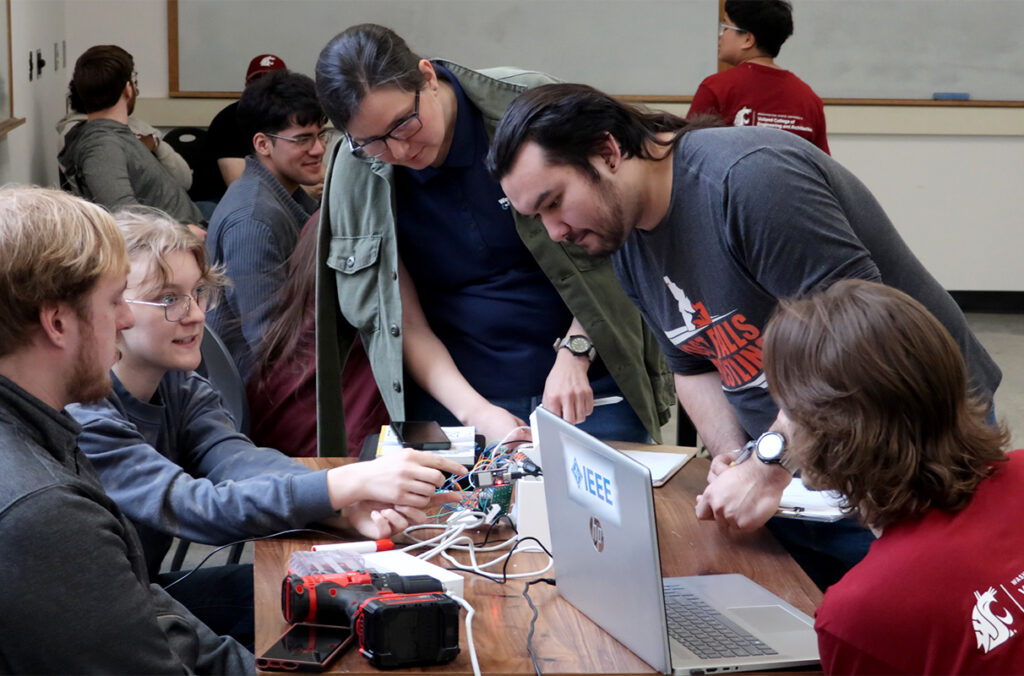
Inside WSU’s student-run hackathons
Hackathons have become a defining space for student innovation, with two taking center stage this year.
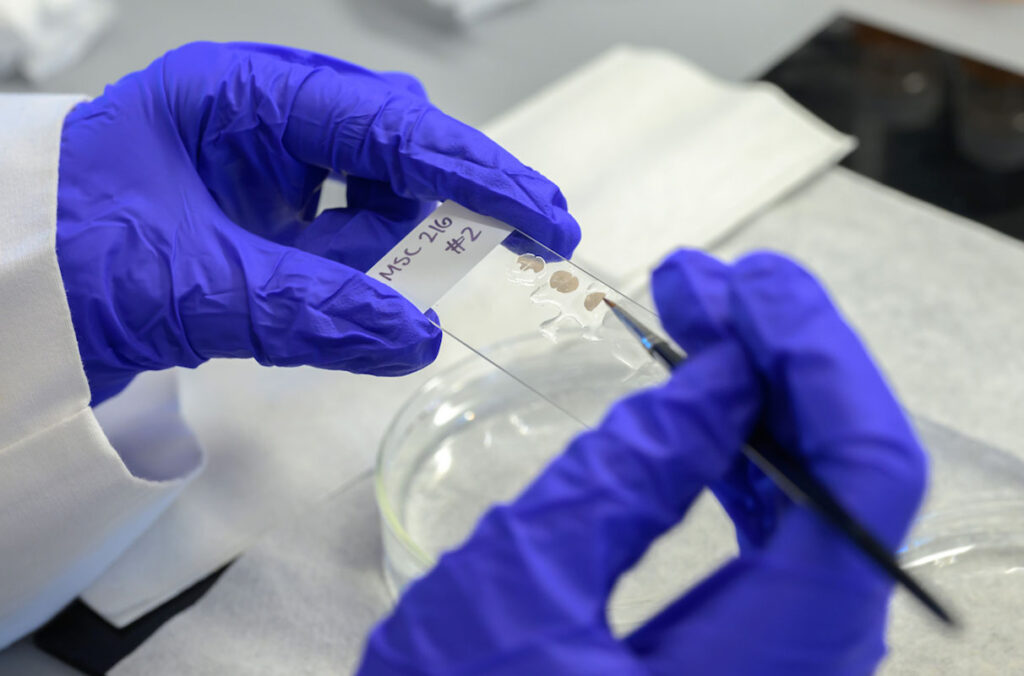
Undergrad researchers drive discovery in the College of Veterinary Medicine
Hands‑on research opportunities in the college are enabling students to contribute directly to major discoveries, including a recent Nature study.

New WSU raspberry breeder to continue career goal of helping farmers
Germán Sandoya-Miranda aims to develop improved varieties and work closely with growers to help Washington farmers boost yields and adapt to evolving challenges.
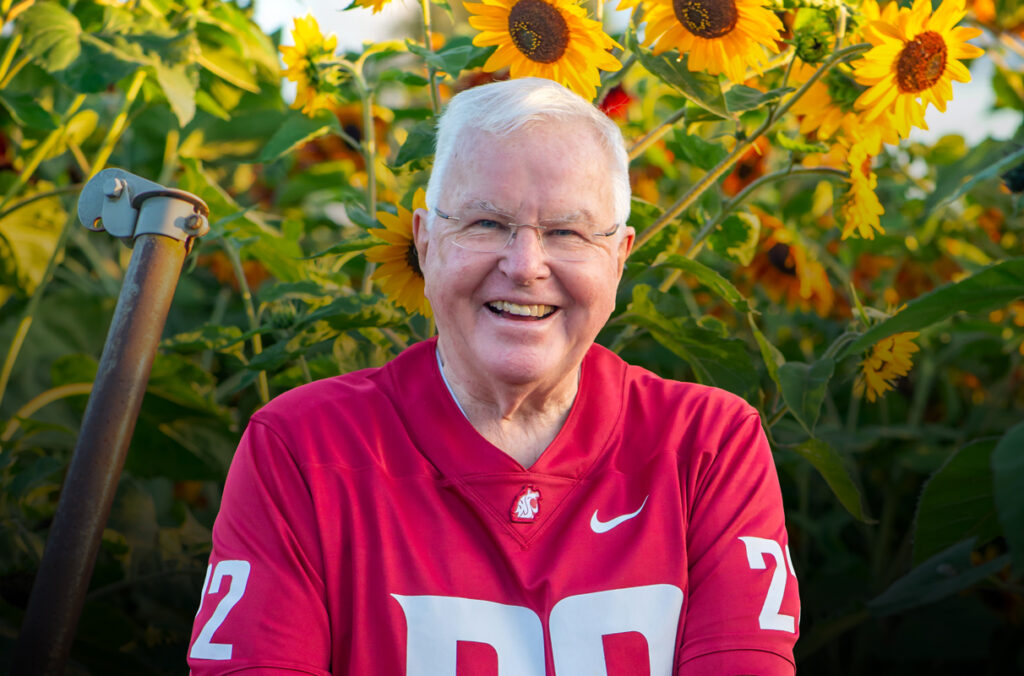
WSU Regent, longtime civic leader Sam Hunt dies following battle with leukemia
Hunt, a 1967 WSU graduate, devoted more than five decades to public service, education, and civic leadership across Washington.
WSU recognized for support of first-generation students
The university’s elevation to FirstGen Forward Network Champion reflects growing enrollment, improved retention, and expanded support programs helping first-generation students succeed.