Health and Wellness Services at Washington State University will sponsor the National Eating Disorders Awareness Week from Feb. 23-27 to provide a reality check about body image. Tim Freson, coordinator of WSU’s Health and Wellness Eating Disorders Prevention Program, said, “I believe it is extremely important to raise awareness about body image and eating disorders on the college campus. Both men and women suffer from body dissatisfaction which can lead to eating disorder.” For more information, see https://wsunews.wsu.edu/detail.asp?StoryID=4355
Linda Langford, an expert on campus violence prevention, will visit Washington State University Pullman Feb. 24 to discuss how campus communities can provide safe environments. As an associate director of the U.S. Department of Education’s Higher Education Center for Alcohol and Other Drug Prevention, Langford has developed a framework for violence prevention for institutions of higher education. While in Pullman, Langford will present the violence prevention framework to administrators and groups currently addressing the issue of violence. She will discuss how WSU’s violence prevention efforts fit into the framework, suggest strategies for improvement and discuss current best practices and strategic planning for violence prevention. For more details, see https://wsunews.wsu.edu/detail.asp?StoryID=4372
In the news
The baseball business: As spring training gets underway, much of the talk in baseball concerns the New York Yankees’ trade for the game’s highest-paid player, Alex Rodriguez. Rodney Fort, a professor of economics at WSU and an expert on the business of baseball, said that the Rodriguez deal is not representative of what’s going on, generally speaking, with the movement of higher-caliber players in Major League Baseball. For the year so far, free agent salaries appear to be depressed by more than 25 percent. This means one of two things for competitive balance. Either free agents are moving to the same teams they would have moved to anyway, and just earning less because of increased local revenue sharing and the luxury tax, or, because salaries are lower, some teams that have been mediocre in the past will be able to raise their quality a bit and balance should improve. Right now, Fort said, there are not enough data yet to know which one will prove to be true. Fort is available at 509.335.1538 or fort@mail.wsu.edu.
Stopping the revolving door: The revolving door of prison release, parole failure and re-incarceration continues to plague our criminal justice system. Laurie A. Drapela, an assistant professor of criminal justice at Washington State University Vancouver, points to successes in stopping this cycle through restorative justice, which brings crime victims and community members into the criminal justice process as active participants. A restorative response to crime focuses on the need to repair the damage resulting from the offender’s actions. When community members engage with offenders about harms caused and being accountable, they provide offenders with a way to repair that harm. They also help offenders realize their potential for living a productive crime-free life. This engagement between the victim, the community and the offender allows offenders to build, if ever so slowly, a stake in a conventional life. Drapela, who serves on the Washington State Department of Corrections Community Accountability Board Advisory Board, can be reached at 360.546.9485 or drapela@vancouver.wsu.edu.
Next Story

WSU Global Campus student ambassador shines during #CougsGive Day
Aunjelique Andersen, a fully online student pursuing her degree in Media Innovation, ranked first on the #CougsGive Ambassador Leaderboard, inspiring 54 gifts through her outreach.
Recent News

WSU SURCA undergraduate researchers earn 65 awards
Seventy‑three students who participated in the Showcase for Undergraduate Research and Creative Activities 2026 were awarded prizes totaling $14,000.
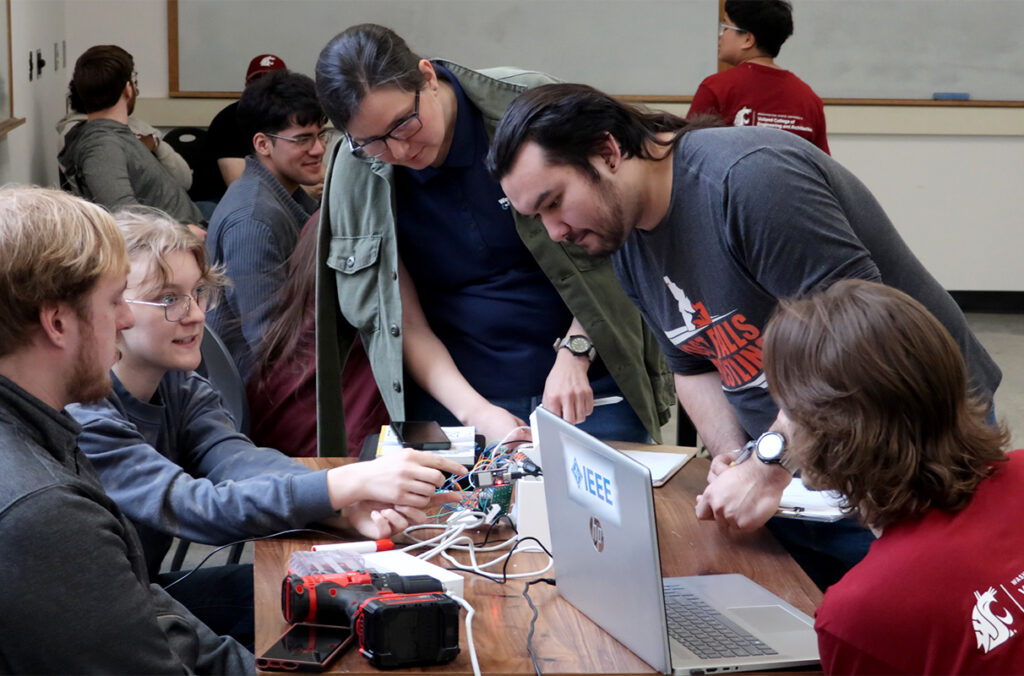
Inside WSU’s student-run hackathons
Hackathons have become a defining space for student innovation, with two taking center stage this year.
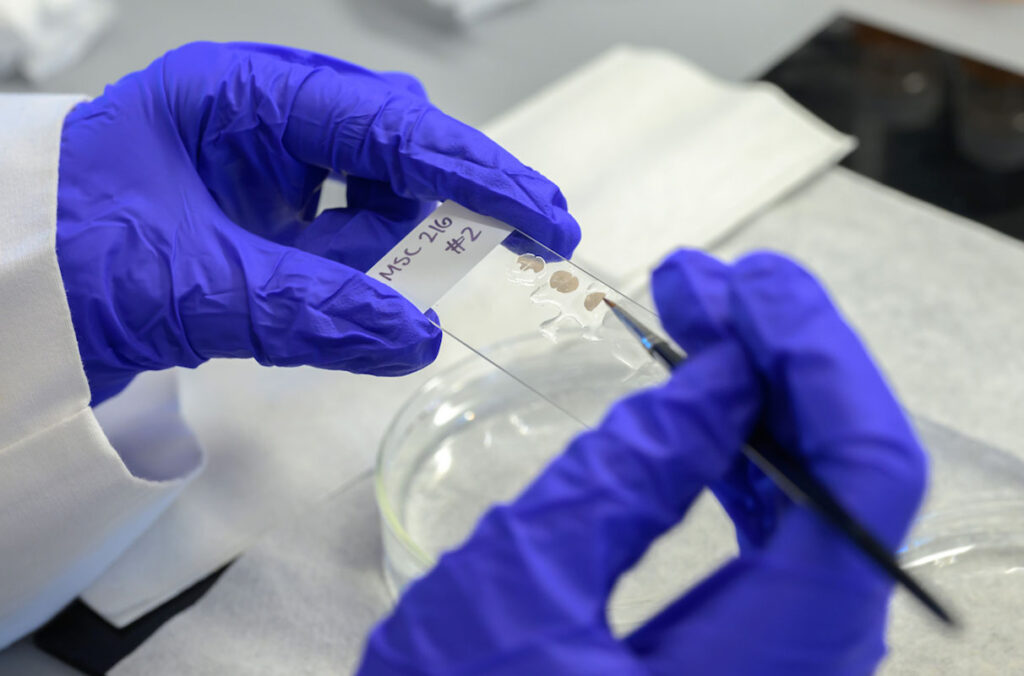
Undergrad researchers drive discovery in the College of Veterinary Medicine
Hands‑on research opportunities in the college are enabling students to contribute directly to major discoveries, including a recent Nature study.
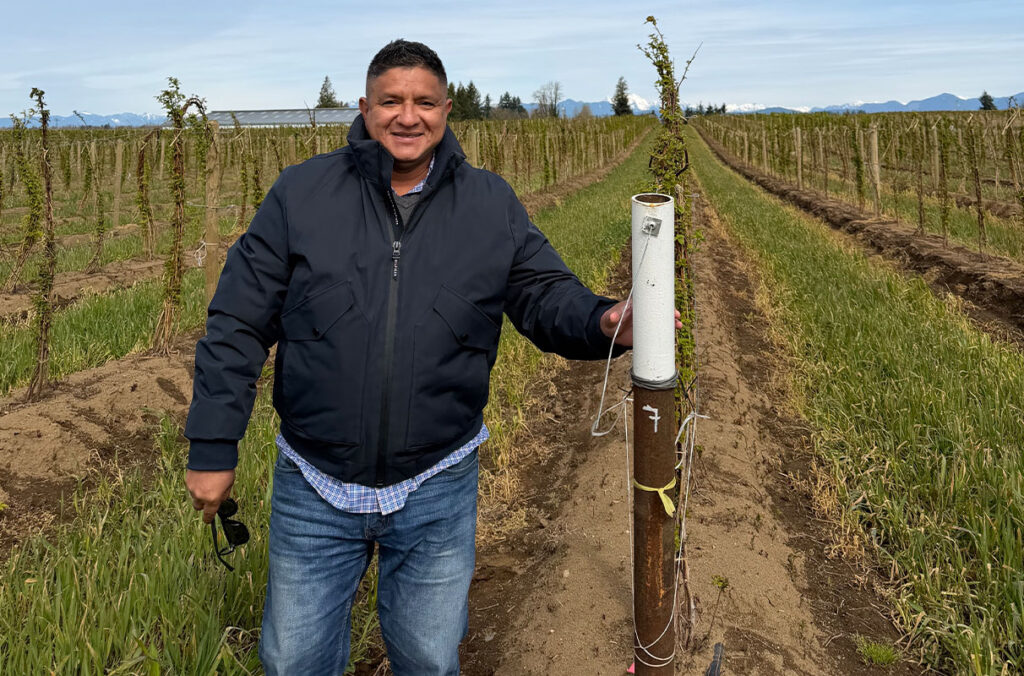
New WSU raspberry breeder to continue career goal of helping farmers
Germán Sandoya-Miranda aims to develop improved varieties and work closely with growers to help Washington farmers boost yields and adapt to evolving challenges.
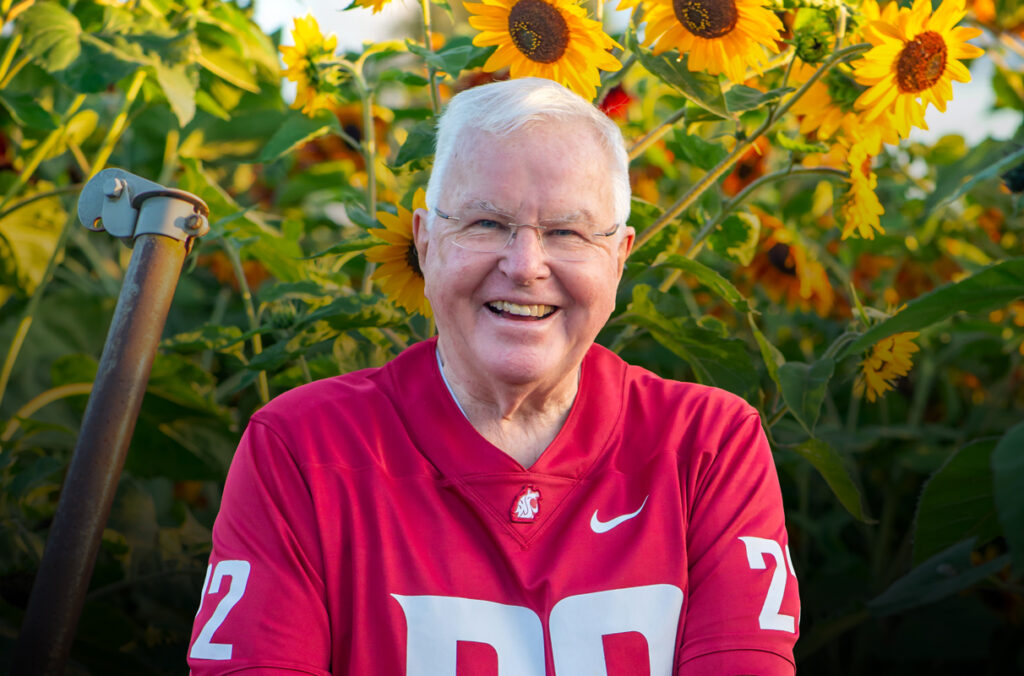
WSU Regent, longtime civic leader Sam Hunt dies following battle with leukemia
Hunt, a 1967 WSU graduate, devoted more than five decades to public service, education, and civic leadership across Washington.
WSU recognized for support of first-generation students
The university’s elevation to FirstGen Forward Network Champion reflects growing enrollment, improved retention, and expanded support programs helping first-generation students succeed.