Environmental education and research are a major strength of There are several types of common pests and predators that can damage oysters or the tide flats in which they reside. Ghost and mud shrimp, through their digging and water pumping activities, honeycomb the bottom and subsequently transfer subsurface materials to the surface which suffocate and kill oysters in the area. Efforts have been made to reclaim the oysters’ “turf” by either controlling or destroying the shrimp with physical or chemical methods. The chemical Carbaryl has been used with success, but is thought by some to cause negative environmental side effects. Researchers in SEES at WSU Vancouver are exploring alternatives to Carbaryl, including biological control by natural predators, to help mitigate the negative effects of ghost and mud shrimp on oysters. “Little is known about the life cycle of ghost shrimp,” stated WSU Vancouver Chancellor Harold Dengerink. “This research is important to the economy and the environment in the state of Other research studies in which the school is currently involved include the WSU Vancouver offers 14 bachelor’s and nine master’s degrees in more than 35 fields of study. The campus is located at
Next Story

WSU Global Campus student ambassador shines during #CougsGive Day
Aunjelique Andersen, a fully online student pursuing her degree in Media Innovation, ranked first on the #CougsGive Ambassador Leaderboard, inspiring 54 gifts through her outreach.
Recent News

WSU SURCA undergraduate researchers earn 65 awards
Seventy‑three students who participated in the Showcase for Undergraduate Research and Creative Activities 2026 were awarded prizes totaling $14,000.
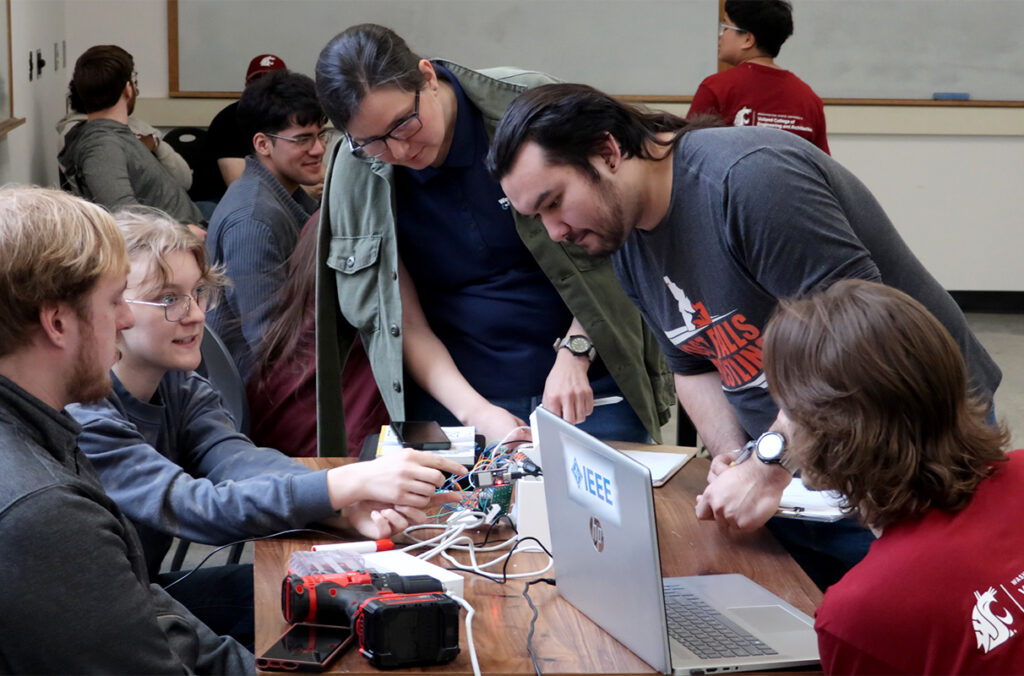
Inside WSU’s student-run hackathons
Hackathons have become a defining space for student innovation, with two taking center stage this year.
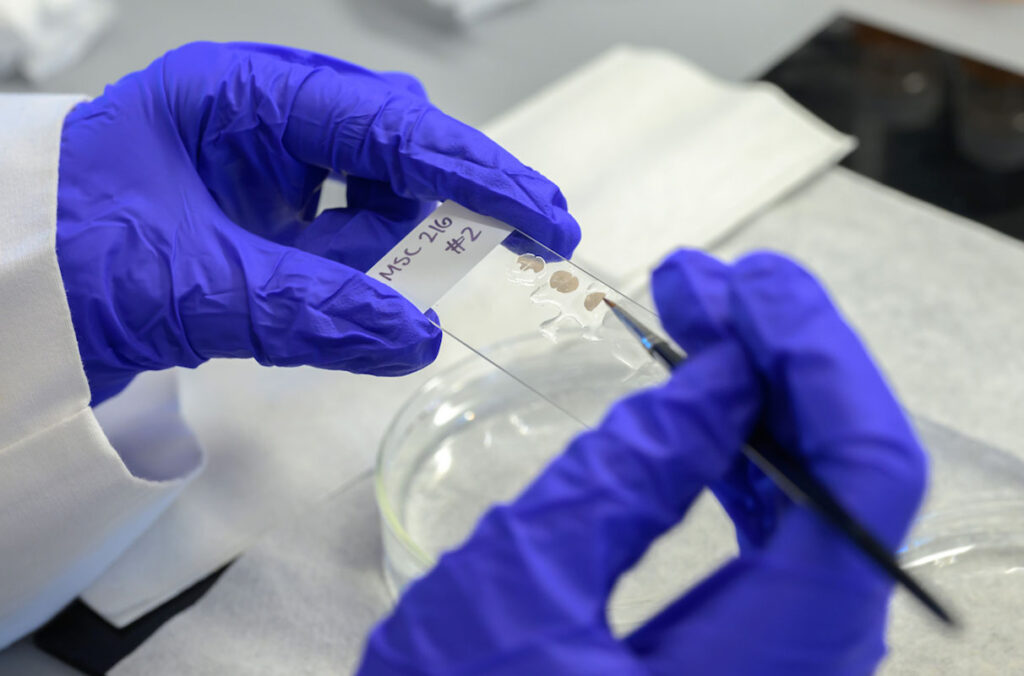
Undergrad researchers drive discovery in the College of Veterinary Medicine
Hands‑on research opportunities in the college are enabling students to contribute directly to major discoveries, including a recent Nature study.
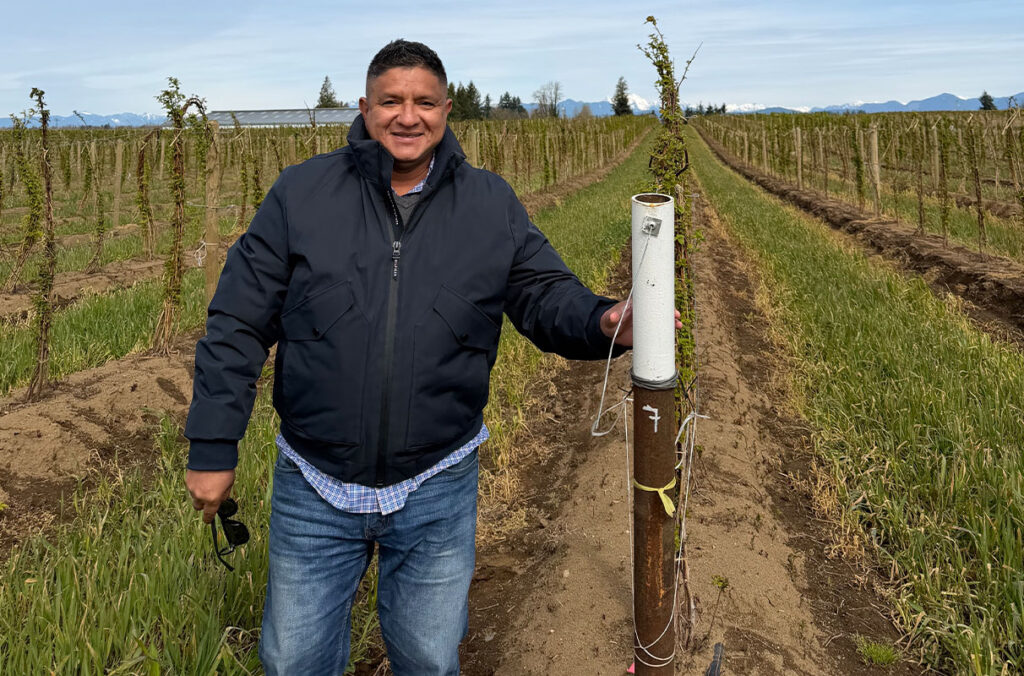
New WSU raspberry breeder to continue career goal of helping farmers
Germán Sandoya-Miranda aims to develop improved varieties and work closely with growers to help Washington farmers boost yields and adapt to evolving challenges.
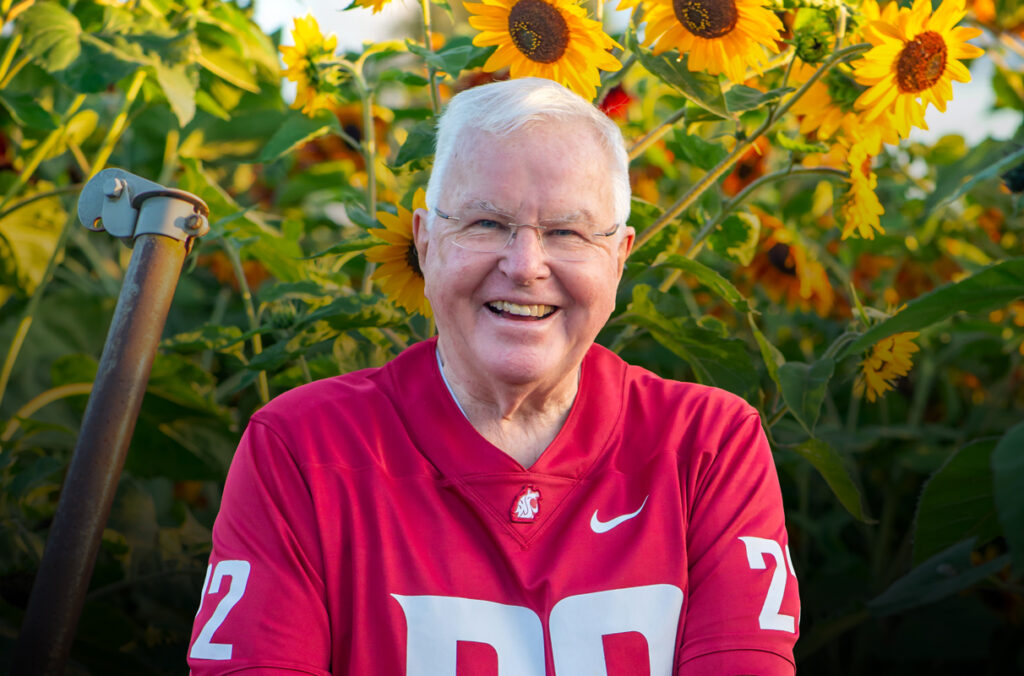
WSU Regent, longtime civic leader Sam Hunt dies following battle with leukemia
Hunt, a 1967 WSU graduate, devoted more than five decades to public service, education, and civic leadership across Washington.
WSU recognized for support of first-generation students
The university’s elevation to FirstGen Forward Network Champion reflects growing enrollment, improved retention, and expanded support programs helping first-generation students succeed.