PULLMAN,
The 41-pound juvenile beaver was struck accidentally by a motorist in early spring near
At just one-and-a-half years old, the beaver, nicknamed “Bailey,” has been recuperating nicely at WSU’s
The biggest concern now is Bailey’s weight. The beaver currently spends a few hours a day in a hydrotherapy sink, but requires a larger facility that helps re-create the animal’s natural environment.
“Bailey has dropped quite a bit of muscle mass,” said Angela Teal, a veterinary technician in the WSU exotic animal ward. Dr. Finch believes Bailey will be best served by moving to a larger wildlife rehabilitation facility where she will receive additional care until she fully recovers. After that, the juvenile beaver can be released back into the wild near its home outside
All four of Bailey’s new teeth are orange. The orange color comes from the replacement of calcium in the tooth enamel with iron. This makes the front surface of the teeth much stronger than the rest, enabling the teeth to stay constantly chisel-like and sharp.
The WSU Veterinary Teaching Hospital treats hundreds of wildlife cases each year at no charge. Support for the animals often comes from donations, while the veterinary care is provided with the dual goal of treating and releasing wild animals whenever possible as well as training the next generation of veterinarians who will carry on this important work.
To see pictures of Bailey’s new teeth, and hear from Dr. Finch, go to www.vetmed.wsu.edu and click on “What’s new.”
Next Story

WSU Global Campus student ambassador shines during #CougsGive Day
Aunjelique Andersen, a fully online student pursuing her degree in Media Innovation, ranked first on the #CougsGive Ambassador Leaderboard, inspiring 54 gifts through her outreach.
Recent News

WSU SURCA undergraduate researchers earn 65 awards
Seventy‑three students who participated in the Showcase for Undergraduate Research and Creative Activities 2026 were awarded prizes totaling $14,000.
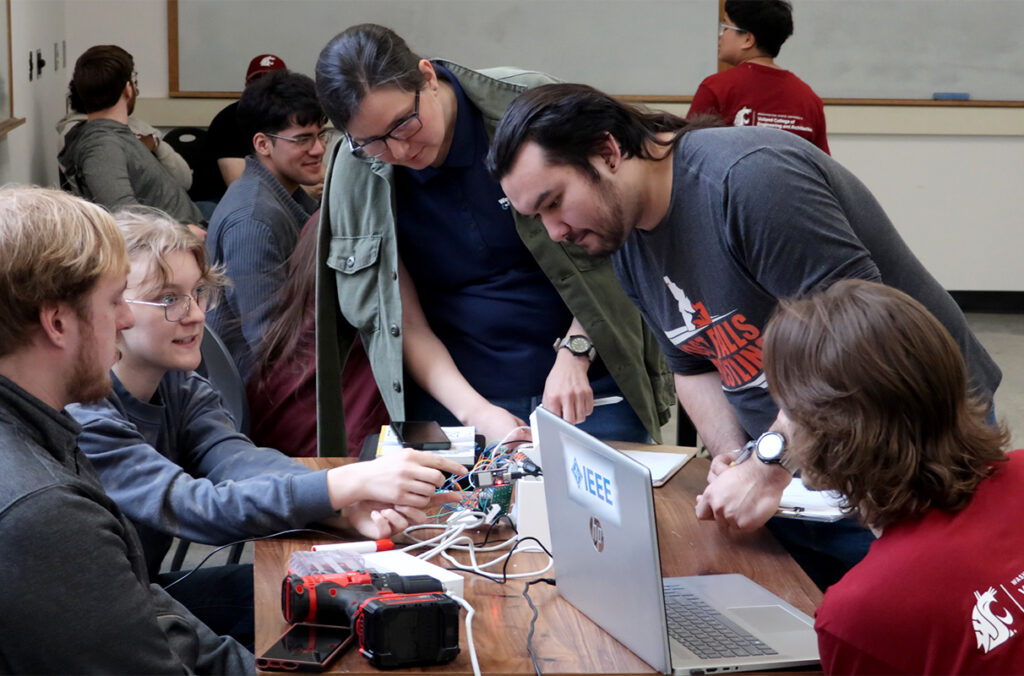
Inside WSU’s student-run hackathons
Hackathons have become a defining space for student innovation, with two taking center stage this year.
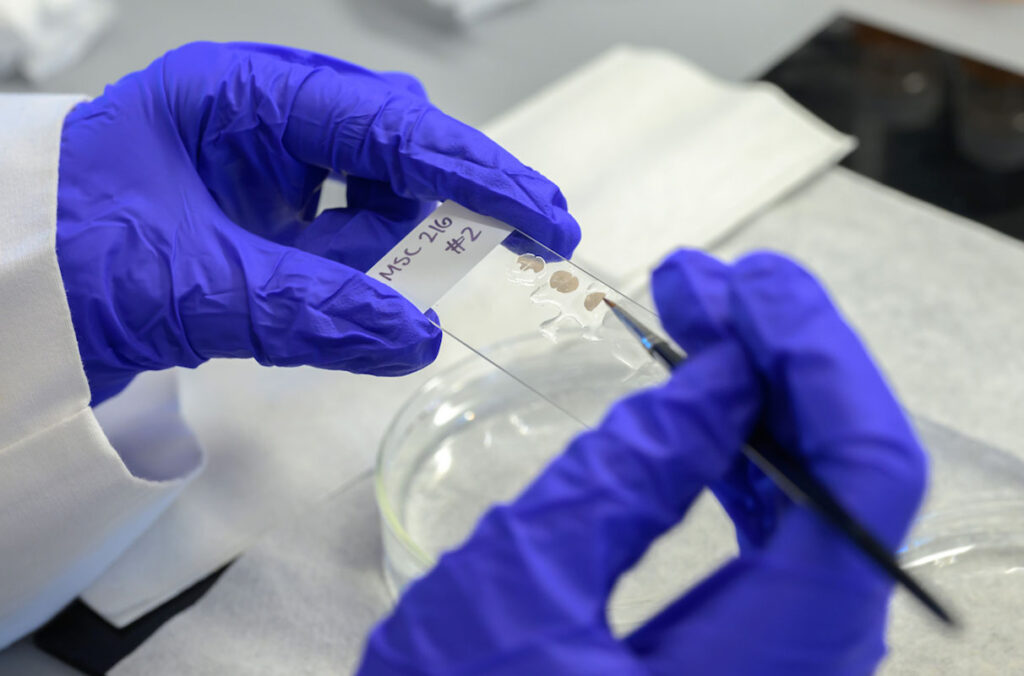
Undergrad researchers drive discovery in the College of Veterinary Medicine
Hands‑on research opportunities in the college are enabling students to contribute directly to major discoveries, including a recent Nature study.
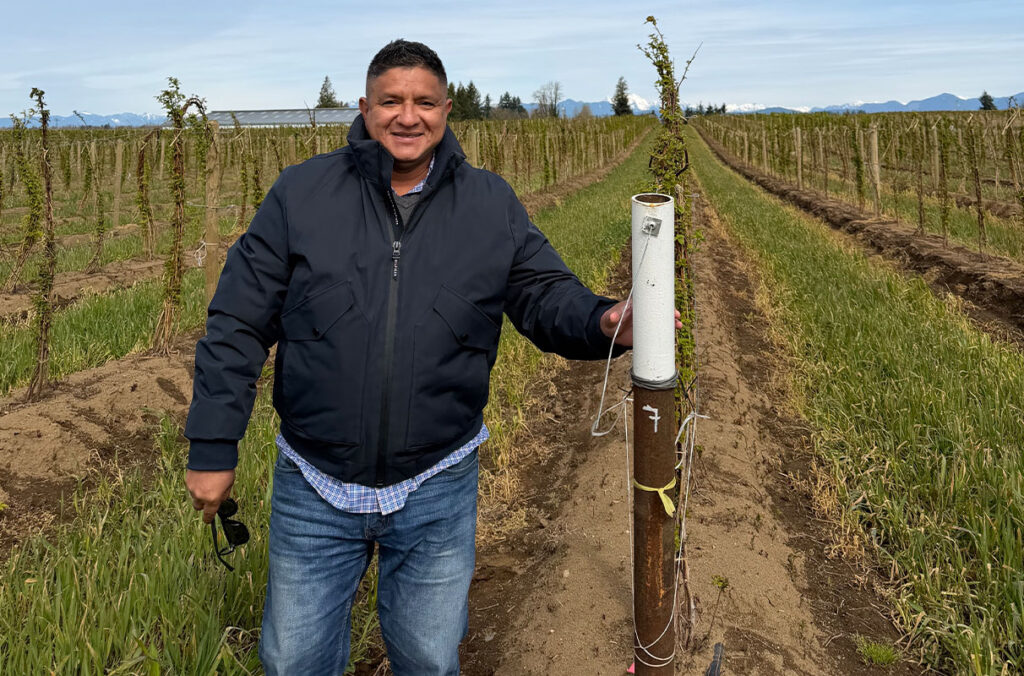
New WSU raspberry breeder to continue career goal of helping farmers
Germán Sandoya-Miranda aims to develop improved varieties and work closely with growers to help Washington farmers boost yields and adapt to evolving challenges.
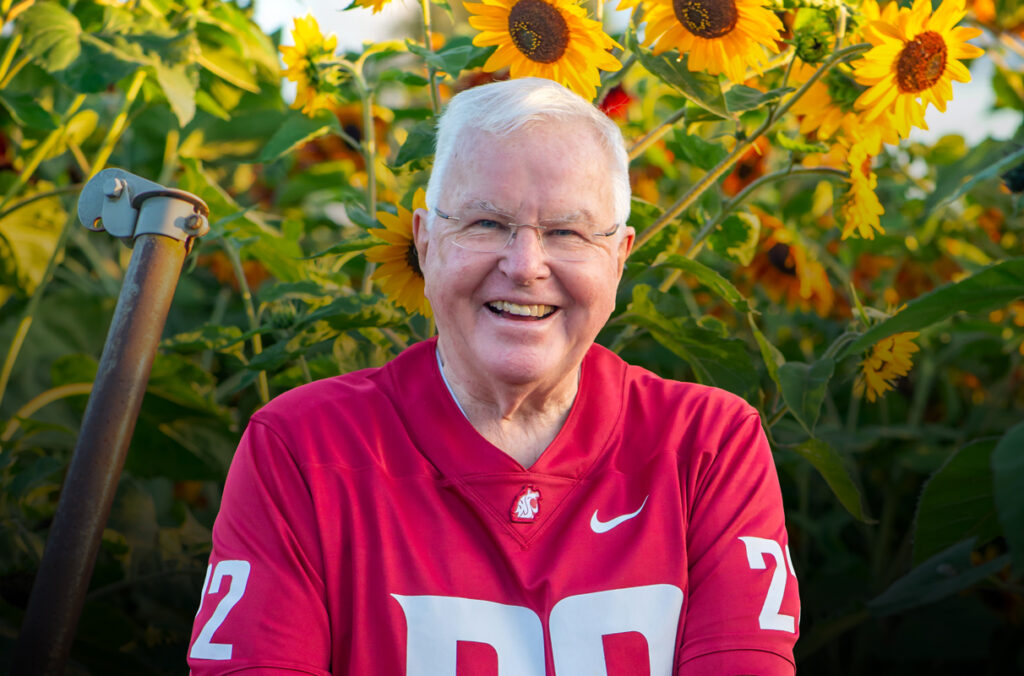
WSU Regent, longtime civic leader Sam Hunt dies following battle with leukemia
Hunt, a 1967 WSU graduate, devoted more than five decades to public service, education, and civic leadership across Washington.
WSU recognized for support of first-generation students
The university’s elevation to FirstGen Forward Network Champion reflects growing enrollment, improved retention, and expanded support programs helping first-generation students succeed.