PULLMAN, Wash. Calling Washington State University’s Ph.D. program in clinical psychology “comprehensive, sequential and well organized,” a panel from the Committee on Accreditation of the American Psychological Association has granted the program a seven-year accreditation cycle, the highest level of accomplishment.
“The decision of the board speaks to their high evaluation of our training program’s objectives, resources and outcomes,” said Paul Kwon, associate professor of psychology and director of clinical training.
Accreditation by the American Psychological Association is important for many university programs because highly qualified prospective students often apply only to accredited programs. “For graduates of clinical psychology programs, obtaining employment and licensure is facilitated by obtaining a Ph.D. from an accredited program,” said Kwon.
Evaluators stated in their final report, “The program appears to have made systematic, coherent and long-term efforts to recruit and retain diverse students and faculty. Training in diversity is apparent whereby issues of cultural diversity are integrated throughout the program’s curriculum.” The report went on to say, “Student-faculty relations are collegial, and students are treated with courtesy and respect. The students reported to the site visitors that faculty members are very accessible, supportive and professional.”
“The accreditation process is important in that it provides an objective, external review of the quality of a training program,” said Kwon. “The accreditation of clinical psychology programs protects the general public by establishing national guidelines and standards in the training of clinical psychologists. The accreditation process also ensures that training programs have sufficient resources, value the importance of cultural diversity, outline their objectives and document their ability to meet their objectives through outcome data.”
Established 50 years ago, WSU’s program is one of only four accredited Ph.D. programs in clinical psychology in the
Next Story

WSU Global Campus student ambassador shines during #CougsGive Day
Aunjelique Andersen, a fully online student pursuing her degree in Media Innovation, ranked first on the #CougsGive Ambassador Leaderboard, inspiring 54 gifts through her outreach.
Recent News

WSU SURCA undergraduate researchers earn 65 awards
Seventy‑three students who participated in the Showcase for Undergraduate Research and Creative Activities 2026 were awarded prizes totaling $14,000.
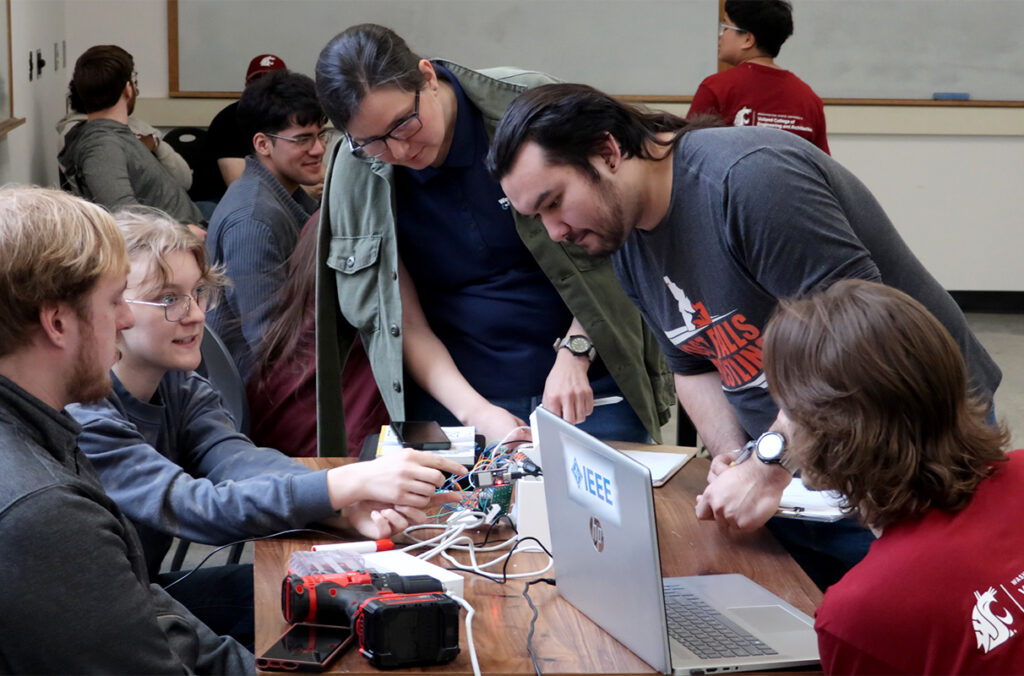
Inside WSU’s student-run hackathons
Hackathons have become a defining space for student innovation, with two taking center stage this year.
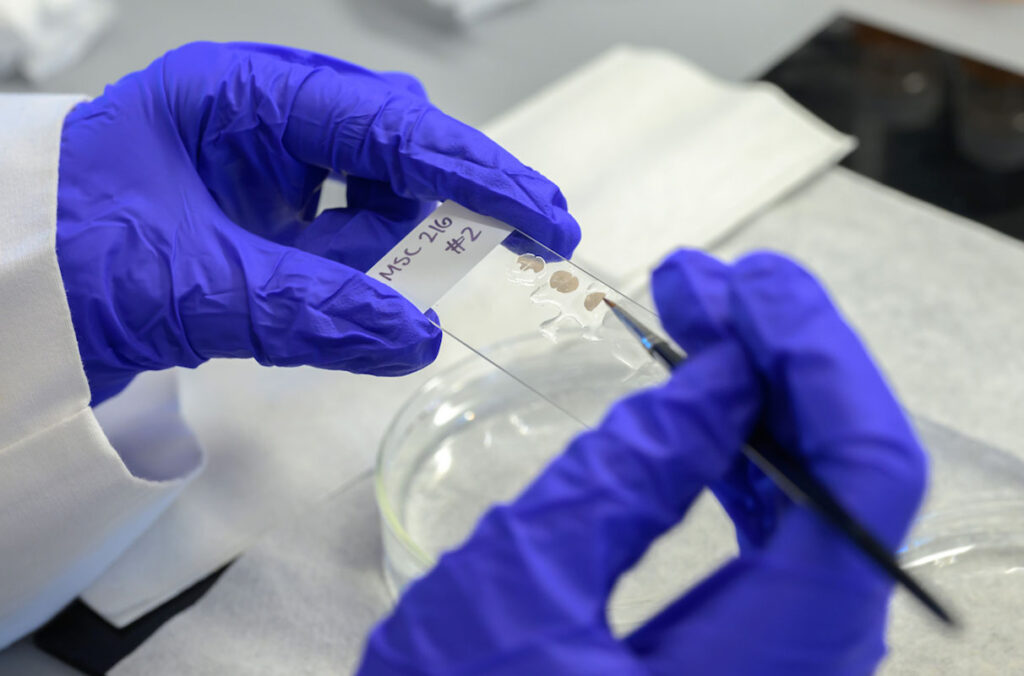
Undergrad researchers drive discovery in the College of Veterinary Medicine
Hands‑on research opportunities in the college are enabling students to contribute directly to major discoveries, including a recent Nature study.
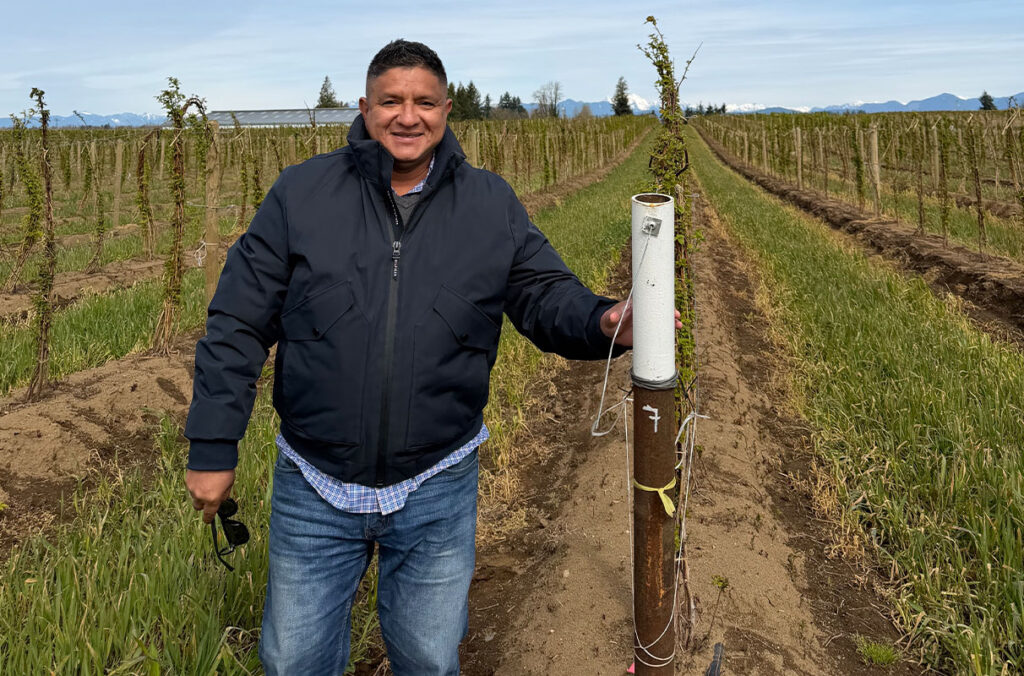
New WSU raspberry breeder to continue career goal of helping farmers
Germán Sandoya-Miranda aims to develop improved varieties and work closely with growers to help Washington farmers boost yields and adapt to evolving challenges.
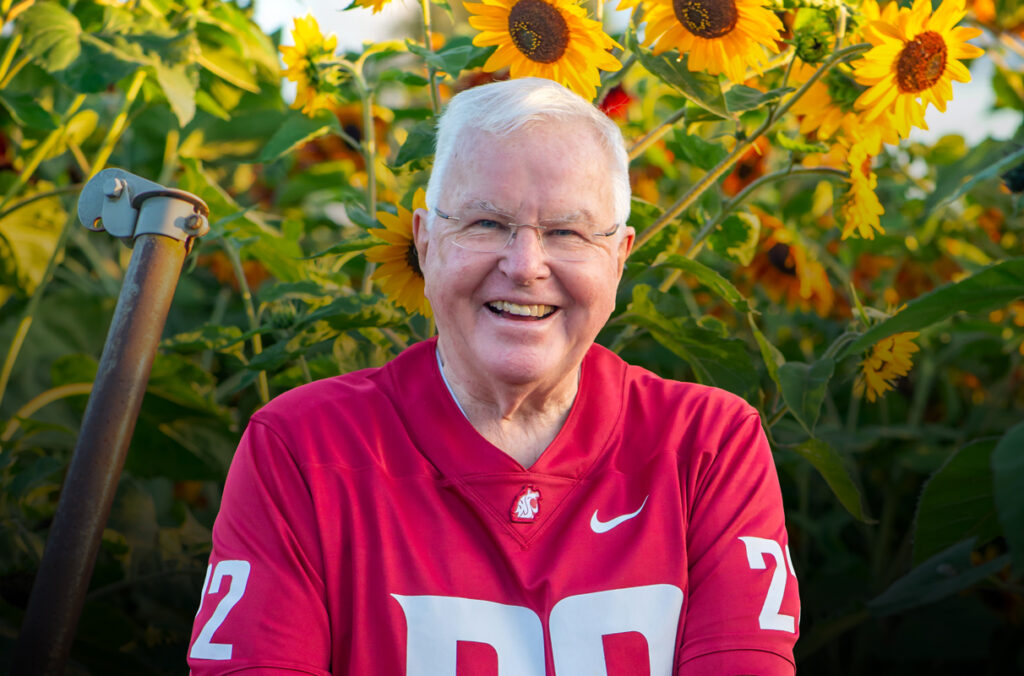
WSU Regent, longtime civic leader Sam Hunt dies following battle with leukemia
Hunt, a 1967 WSU graduate, devoted more than five decades to public service, education, and civic leadership across Washington.
WSU recognized for support of first-generation students
The university’s elevation to FirstGen Forward Network Champion reflects growing enrollment, improved retention, and expanded support programs helping first-generation students succeed.