PULLMAN,
What’s the history of canine influenza?
Canine influenza is most likely related to the influenza A viruses that affect horses, the H3/N8 subtype. The horse influenza virus was first discovered in 1956. At some point, the virus mutated and the new strain made the leap from horses to dogs.
Experiments showing that dogs could be infected with the influenza A virus and that they would suffer only a mild clinical disease were conducted quite some time ago. The first significant natural canine influenza outbreak was diagnosed initially in 2003 at greyhound racetracks. The first evidence of canine influenza in companion dogs was documented this spring when shelters, boarding facilities and veterinarians submitted samples from dogs suspected of carrying the disease.
Are humans the next species this virus will jump to?
No. This is a very important point that has been widely misreported. Just because a virus jumps from one species to another does not mean humans are next. This virus is unlike the “flu” viruses humans are vaccinated for each fall. Humans have been exposed to the horse influenza A virus since 1956 and the canine mutation since at least 2003. So far there is no evidence it has jumped to humans or that it will jump to humans.
What are my dog’s chances of getting this disease?
All dogs are at risk. There is no vaccine for canine influenza. All dogs are susceptible to infection by the virus and no dogs are immune. The good news is most dogs diagnosed with canine influenza experience a mild form of the disease. The fatality rate is very low for canine influenza. Even including the most serious infections with complications, the mortality rate is between one and five percent of all dogs infected. Getting your family veterinarian involved early and providing good supportive care is the best medicine for most animals.
The disease begins with exposure to the virus followed by a two to five-day incubation period. After that, dogs usually suffer from a persistent cough that may last for as long as three weeks. They may experience a yellowish nasal discharge. Dogs that experience more serious canine influenza symptoms frequently have a high fever and increased breathing rates and other indications of pneumonia. Currently, antibiotic treatment of secondary bacterial infections of the sinuses or lungs is successful in about 95 percent of the cases. Be aware, though, that just like in human medicine, antibiotics do not destroy viruses. Most dogs will not need antibiotics.
Can I prevent my dog from getting canine influenza?
You can reduce your dog’s risk of exposure. The greater the exposure your dog has to other dogs, the greater the chance of infection. Currently, canine influenza appears to be an airborne infection, much like kennel cough, so direct physical contact between dogs is not required. Simply breathing in the atomized droplets of a dog’s cough or sneeze may be enough to infect your dog. With no vaccine available, there is no way to ensure your dog won’t contract canine influenza. If your dog socializes with other dogs or is boarded, exposure risks are greater than if your dog is kept alone or only with housemates.
When should I suspect canine influenza?
The symptoms of canine influenza are very similar to kennel cough. The first indication is a cough that may last for as long as three weeks. If your dog shows signs of respiratory disease, they should be seen by your veterinarian. You should be ready to brief your veterinarian on any travel or exposure to other dogs your pet may have had recently. According to an advisory issued by the University of Florida College of Veterinary Medicine, most dogs have a soft, moist cough, while others have a dry cough. Many dogs have thick nasal discharge and a low-grade fever. The nasal discharge likely represents a secondary bacterial infection that quickly resolves with broad-spectrum antibiotic treatment. Also remember that coughing can be an indication of a variety of diseases or immediate concerns like an airway obstruction. Your veterinarian is best qualified to make the diagnosis.
Can my veterinarian test for canine influenza?
Yes. There are laboratory tests for canine influenza available widely in part because the reagents used in the tests have a 99 percent cross reactivity for all influenza A viruses. Your veterinarian can send samples to most of the commercial or public laboratories they have always used.
The Washington Animal Disease Diagnostic Laboratory at WSU can test dog serum, fluids or tissues in-house. Commercial laboratories offering testing in
How many cases of canine influenza have there been in
To date, there have been no confirmed cases of canine influenza in
Next Story

WSU Global Campus student ambassador shines during #CougsGive Day
Aunjelique Andersen, a fully online student pursuing her degree in Media Innovation, ranked first on the #CougsGive Ambassador Leaderboard, inspiring 54 gifts through her outreach.
Recent News

WSU SURCA undergraduate researchers earn 65 awards
Seventy‑three students who participated in the Showcase for Undergraduate Research and Creative Activities 2026 were awarded prizes totaling $14,000.

Inside WSU’s student-run hackathons
Hackathons have become a defining space for student innovation, with two taking center stage this year.
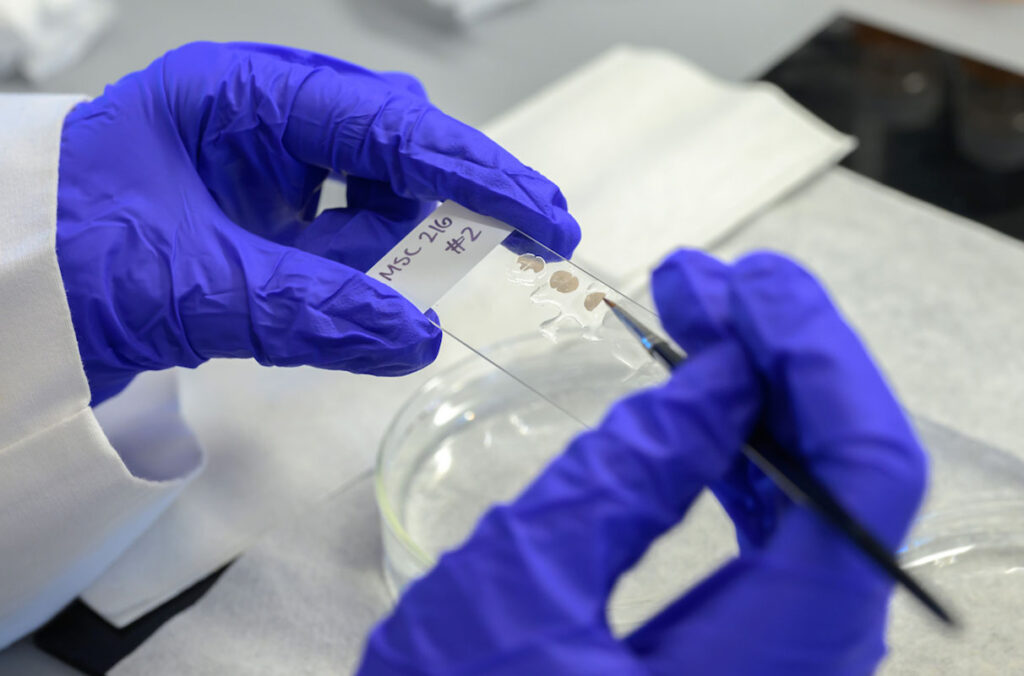
Undergrad researchers drive discovery in the College of Veterinary Medicine
Hands‑on research opportunities in the college are enabling students to contribute directly to major discoveries, including a recent Nature study.

New WSU raspberry breeder to continue career goal of helping farmers
Germán Sandoya-Miranda aims to develop improved varieties and work closely with growers to help Washington farmers boost yields and adapt to evolving challenges.

WSU Regent, longtime civic leader Sam Hunt dies following battle with leukemia
Hunt, a 1967 WSU graduate, devoted more than five decades to public service, education, and civic leadership across Washington.
WSU recognized for support of first-generation students
The university’s elevation to FirstGen Forward Network Champion reflects growing enrollment, improved retention, and expanded support programs helping first-generation students succeed.