PULLMAN, Wash. — A group of Washington State University students who are enrolled in architecture, construction management, interior design and engineering programs is in Washington, D.C., to compete in the U.S. Department of Energy’s Solar Decathlon competition.
Starting Oct. 7 on the National Mall, the competition requires the students to plan and build a 500-800 square-foot home that receives all its energy needs from the sun. The competition aims to increase public awareness of solar energy and inspire innovative solutions in ecological design. Of 18 teams from throughout the world competing in the competition, WSU’s is the only team from the Northwest.
Updates on the competition and high resolution photos with captions will be available, starting Oct. 5, at https://www.solardecathlon.org. The photos are freely available. The Department of Energy requests that credit be given to Stefano Paltera/Solar Decathlon.
WSU has also set up a Web site for updates from its Solar Decathlon team at www.cea.wsu.edu/solardec.
The WSU students have been working for more than two years on construction of the home, which was shipped out to
As part of the competition, the home must have all the modern conveniences powered by solar energy, including heating and air conditioning, refrigeration, hot water, lighting, appliances and communications. The homes will be judged on their energy production, efficiency and design. The event is called a decathlon because the homes are judged in 10 separate areas.
The WSU solar home is unique because of its nuts and bolts construction. Similar to a giant Lego project, the entire home can be unbolted and disassembled into pieces. The team wanted to build a home that could be transported easily, but that didn’t look like it just came off a flatbed truck. Its design is also unique for solar home design. Rather than having a solar home’s typical 45-degree sloped roof and due south orientation, the WSU home has an eight-degree sloped roof and is 17 degrees off from due south.
“It was the most extreme way to show the public that solar design does not have to follow typical constraints,’’ said Brad Frey, an architecture student and a lead designer on the project.
The multidisciplinary team has received numerous donations for materials. The skin of the building, decking and siding will be made of wood-plastic composite products, donated by the WSU Wood Materials and Engineering Laboratory. The group has also received donations for structural lumber, insulated panels and home appliances. Matthew Taylor, assistant professor in the
After the Solar Decathlon competition, the home will be on permanent display in
Next Story
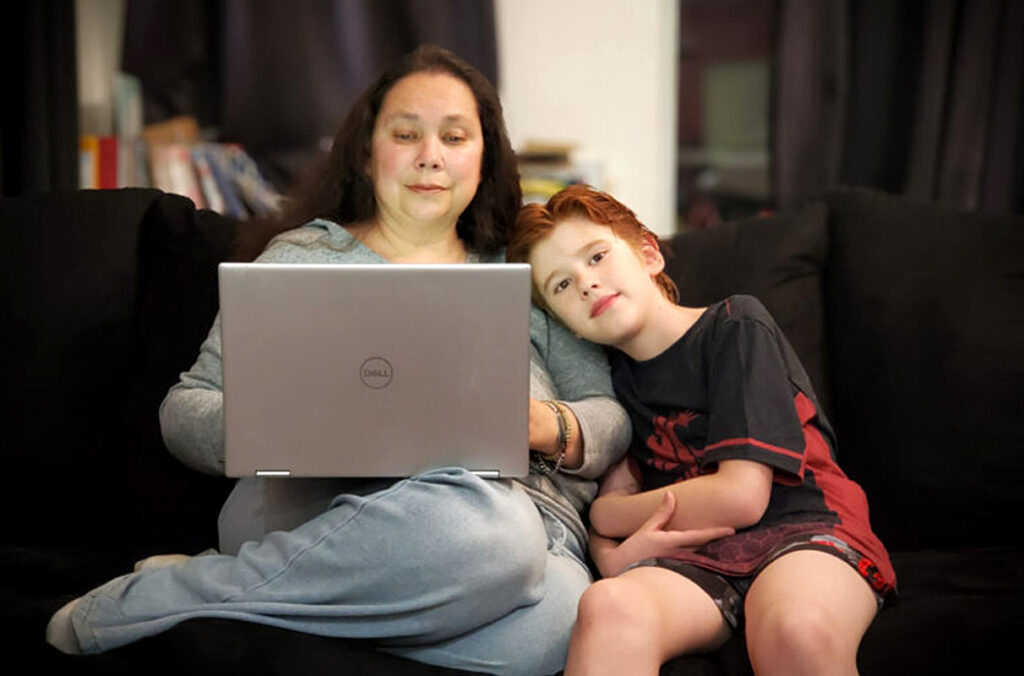
WSU Global Campus student ambassador shines during #CougsGive Day
Aunjelique Andersen, a fully online student pursuing her degree in Media Innovation, ranked first on the #CougsGive Ambassador Leaderboard, inspiring 54 gifts through her outreach.
Recent News

WSU SURCA undergraduate researchers earn 65 awards
Seventy‑three students who participated in the Showcase for Undergraduate Research and Creative Activities 2026 were awarded prizes totaling $14,000.
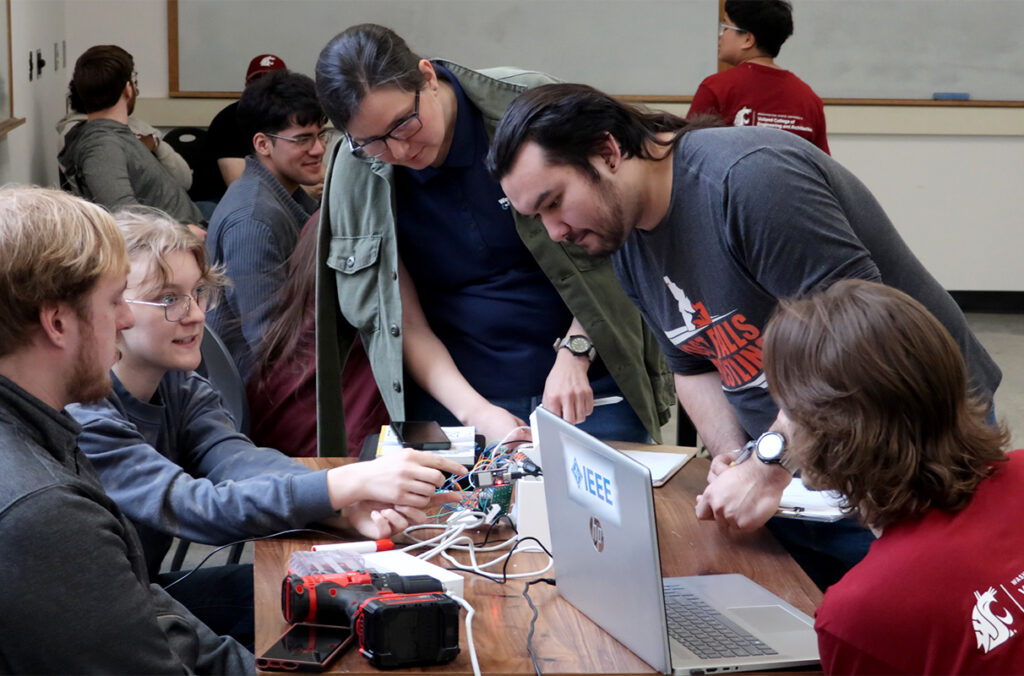
Inside WSU’s student-run hackathons
Hackathons have become a defining space for student innovation, with two taking center stage this year.
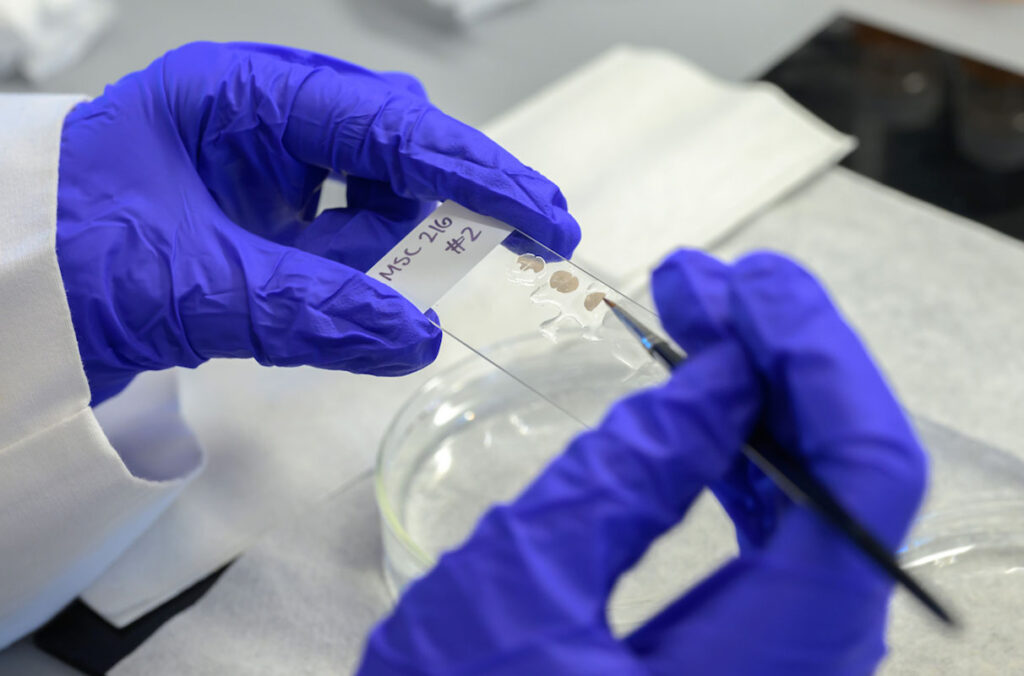
Undergrad researchers drive discovery in the College of Veterinary Medicine
Hands‑on research opportunities in the college are enabling students to contribute directly to major discoveries, including a recent Nature study.
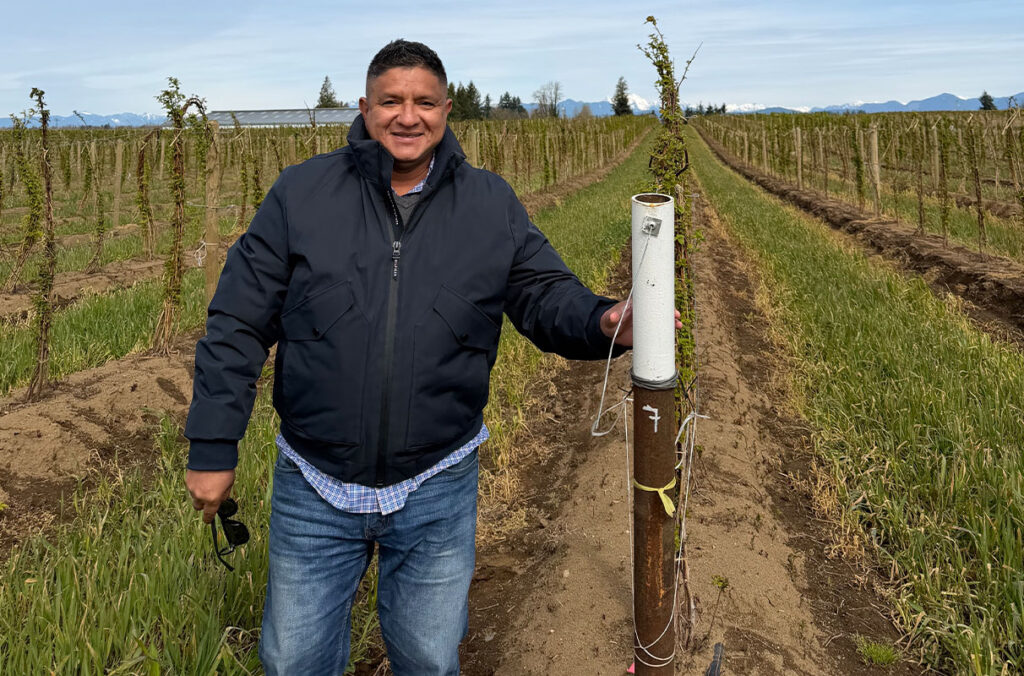
New WSU raspberry breeder to continue career goal of helping farmers
Germán Sandoya-Miranda aims to develop improved varieties and work closely with growers to help Washington farmers boost yields and adapt to evolving challenges.
WSU Regent, longtime civic leader Sam Hunt dies following battle with leukemia
Hunt, a 1967 WSU graduate, devoted more than five decades to public service, education, and civic leadership across Washington.
WSU recognized for support of first-generation students
The university’s elevation to FirstGen Forward Network Champion reflects growing enrollment, improved retention, and expanded support programs helping first-generation students succeed.