PULLMAN — Washington State University researchers will present their findings on June 28 from phase three of a four-year study examining whether there are any patterns of racial or ethnic bias or profiling in traffic stops.
The study, conducted at the request of the Washington State Patrol, examined data from more than a million traffic stops. Two presentations will be made – in Spokane and Seattle.
A report, entitled “Assessment of Racial and Ethnic Equity and Bias in Stops, Citations and Searches Using Multivariate Quantitative and Multi-method Qualitative Research Techniques,” has been issued by the research team. The findings detailed in that report indicate that the team found no systematic pattern of racially/ethnically disproportionate contact or citation.
WSU researchers Michael J. Gaffney, Nicholas P. Lovrich and Clayton Mosher will present their findings and respond to questions at 10:30 a.m. in Spokane on the WSU Spokane campus, 310 N. Riverpoint Blvd., and at 3 p.m. in Bellevue at the WSP District 2 Headquarters, 2803 156th Ave. S.E., Bellevue.
Not present will be the other members of the research team, professors Mitch Pickerill and Travis Pratt and researcher Jennifer Albright. The WSP will be represented by Chief John Batiste and assistant chief Brian Ursino, Field Operations Bureau.
The research team reviewed data on more than a million traffic stops conducted by the WSP as well as photo identifications of citizens stopped and/or searched to identify and confirm race. They also conducted follow-up surveys of thousands of citizens relating to their treatment during a traffic stop, as well as focus group sessions of citizens and WSP officers and supervisors across the state.
One of the major issues facing law enforcement today is the issue of racial profiling. The perception of racially discriminatory policing within minority communities erodes trust and undermines law enforcement efforts. The independent, university-based analysis was done to promote community outreach and dialogue and to provide findings which might be used to enhance professional standards within all of law enforcement.
Next Story

Twelve WSU students named IEEE Power & Energy Society scholars
WSU is the top producer of IEEE Power & Energy Society scholars in the Western U.S. this year, with 12 students recognized for excellence in power and energy fields.
Recent News

Ella Spillane connects business and wilderness
As the weather warms up, check out how WSU alumna Ella Spillane is turning her love of the outdoors into a global business with Trailbound Yoga.

Why endometriosis causes such chronic debilitating pain
A new WSU study shows that repeated inflammation from endometriosis can rewire the brain and nervous system, helping explain why debilitating pain often persists even after lesions are gone.
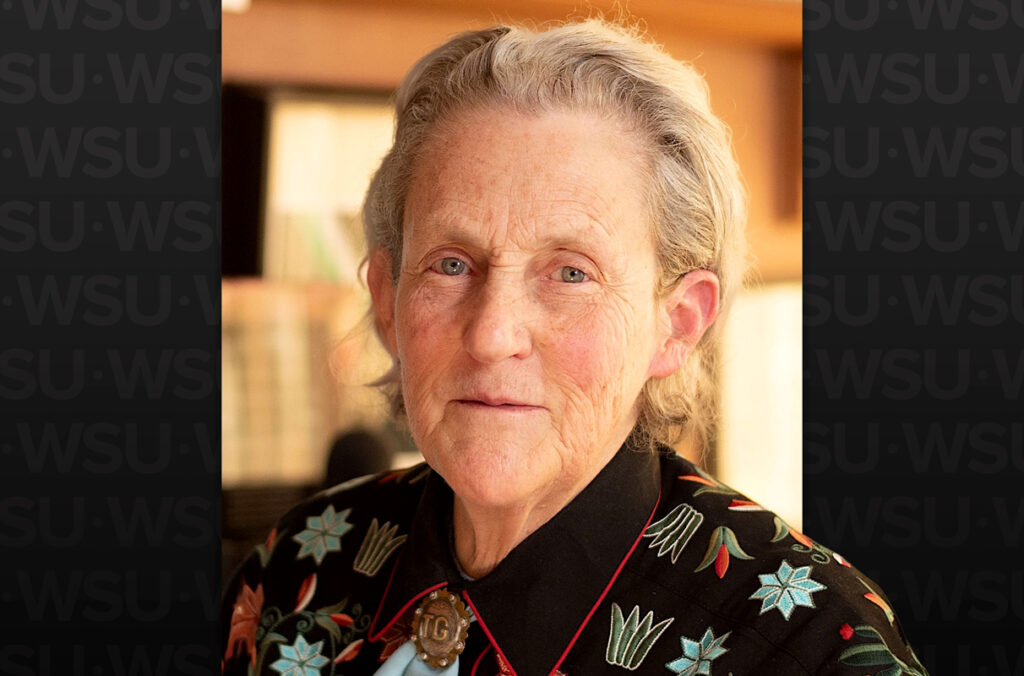
Temple Grandin to give inaugural Cashup Davis Family Endowed Dean’s Distinguished Lecture
Grandin, an internationally renowned author, inventor, and autism advocate, will speak from 6–7:30 p.m. Wednesday, May 6, in the CUB Senior Ballroom at WSU Pullman.

Students tackle real-world problems in statewide public health competition
A team of six peer health educators on the WSU Pullman campus are finalists in a statewide competition and are vying for a $5,000 grant to implement their ideas.
Paul Hirzel receives lifetime achievement award
WSU emeritus professor and alumnus Paul Hirzel has received the Inland Northwest Architectural Foundation’s lifetime achievement award, recognizing decades of influential design work.
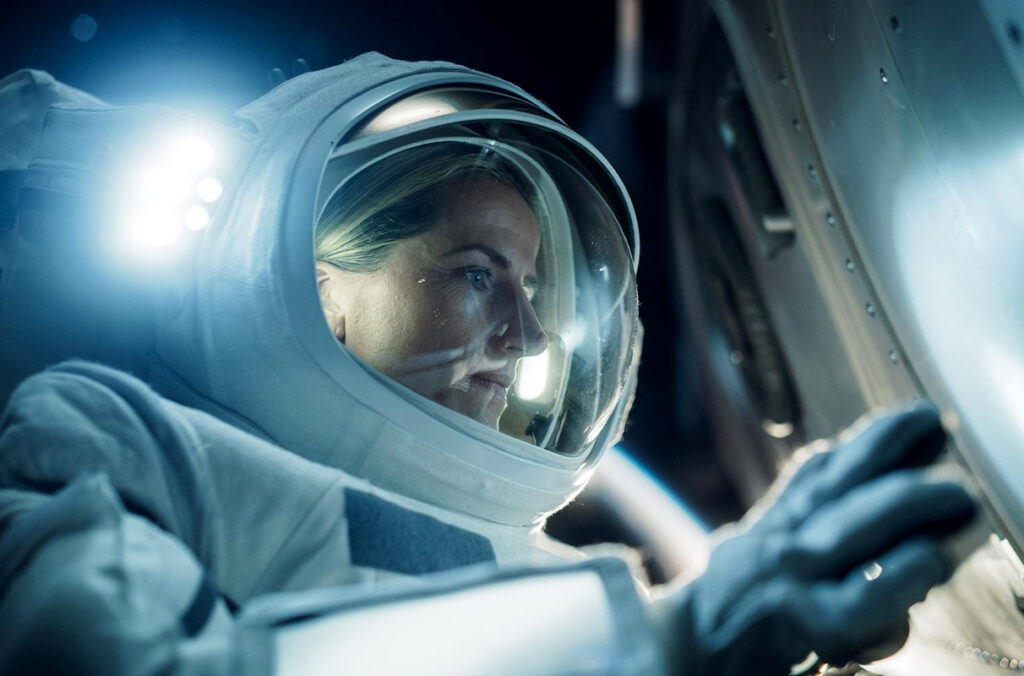
Rapid melatonin test can help astronauts and others easily monitor their biological rhythm
Research funded in part by NASA finds a simple test with a paper strip and smartphone reader could help track sleep, performance in round-the-clock occupations.