Beyond mechanized harvesting and new food products, there are a number of other ways WSU is trying to help the Washington asparagus industry. John Fellman, professor in Horticulture and Landscape Architecture, works on post-harvest problems.
“We thought producers could add more value,” he said. “Consumers want a fresh, wholesome product at a reasonable price. There are lots of techniques available to extend the marketing and shelf life of fresh asparagus.”
One of those techniques involves putting cut asparagus through a brief hot-water bath. This inhibits the tendency of the living spear to curve toward light — as it can when it is standing in water in upright rubber-banded bundles.
After the bath, the asparagus can be shipped flat. This decreases handling and can save on overall labor costs for packing.
Another area involves the use of modified atmosphere packaging. MA packaging uses various types of plastic film that are matched to the respiration rates of the vegetables inside.
“The asparagus is still producing carbon dioxide inside the bag,” said Fellman, “and if we balance that with an appropriate level of oxygen entering the bag, we are able to slow down the respiration rate and extend the shelf life.”
Fellman also discovered that by extending the shelf life of asparagus, he was able to preserve the antioxidant levels. When compared to asparagus shipped from Mexico or Peru, Washington asparagus showed higher concentrations of the health-enhancing compounds.
“So, if people buy local asparagus, they will get a higher nutriceutical impact,” he said. “We hope to not only make the most efficient use of all the harvested asparagus, but also to encourage people to buy local — in an effort to help save the Washington asparagus industry.”
Next Story

WSU Global Campus student ambassador shines during #CougsGive Day
Aunjelique Andersen, a fully online student pursuing her degree in Media Innovation, ranked first on the #CougsGive Ambassador Leaderboard, inspiring 54 gifts through her outreach.
Recent News

WSU SURCA undergraduate researchers earn 65 awards
Seventy‑three students who participated in the Showcase for Undergraduate Research and Creative Activities 2026 were awarded prizes totaling $14,000.
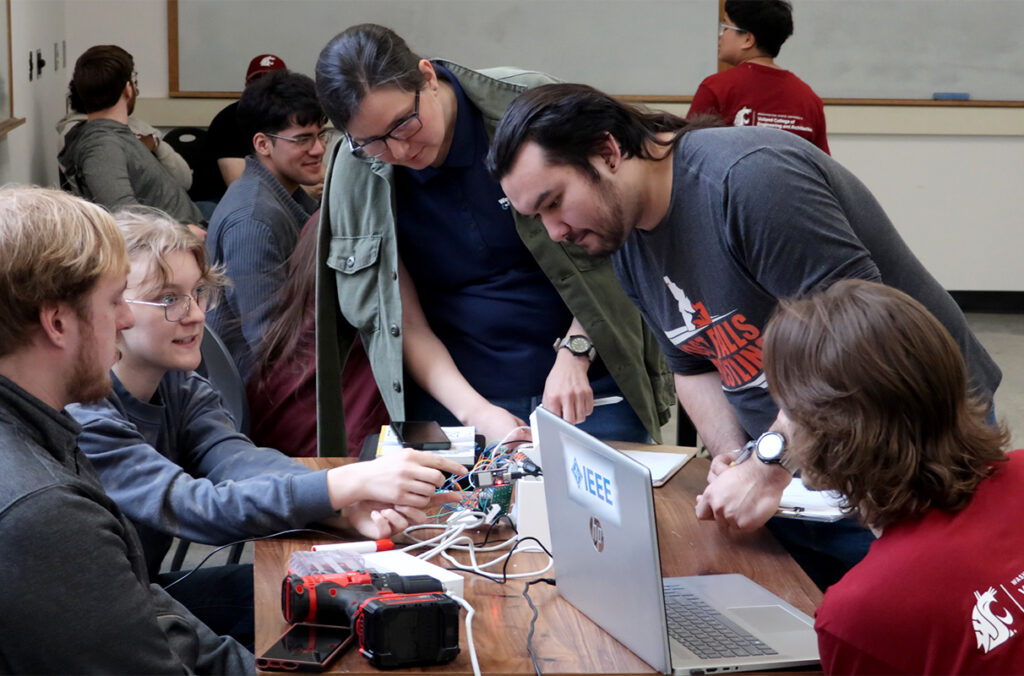
Inside WSU’s student-run hackathons
Hackathons have become a defining space for student innovation, with two taking center stage this year.
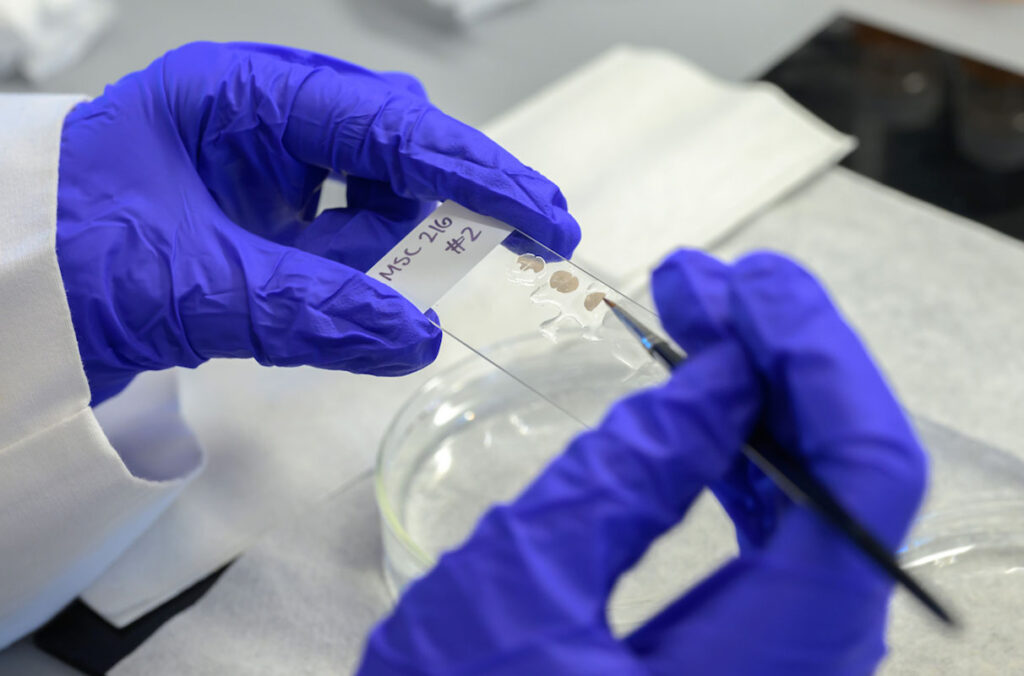
Undergrad researchers drive discovery in the College of Veterinary Medicine
Hands‑on research opportunities in the college are enabling students to contribute directly to major discoveries, including a recent Nature study.
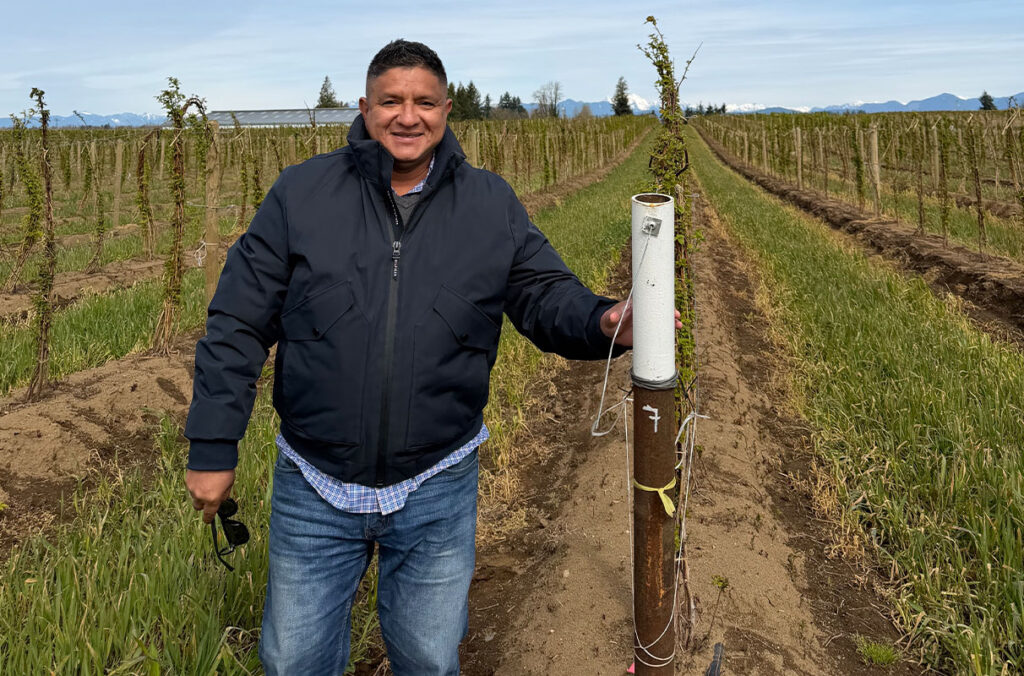
New WSU raspberry breeder to continue career goal of helping farmers
Germán Sandoya-Miranda aims to develop improved varieties and work closely with growers to help Washington farmers boost yields and adapt to evolving challenges.

WSU Regent, longtime civic leader Sam Hunt dies following battle with leukemia
Hunt, a 1967 WSU graduate, devoted more than five decades to public service, education, and civic leadership across Washington.
WSU recognized for support of first-generation students
The university’s elevation to FirstGen Forward Network Champion reflects growing enrollment, improved retention, and expanded support programs helping first-generation students succeed.