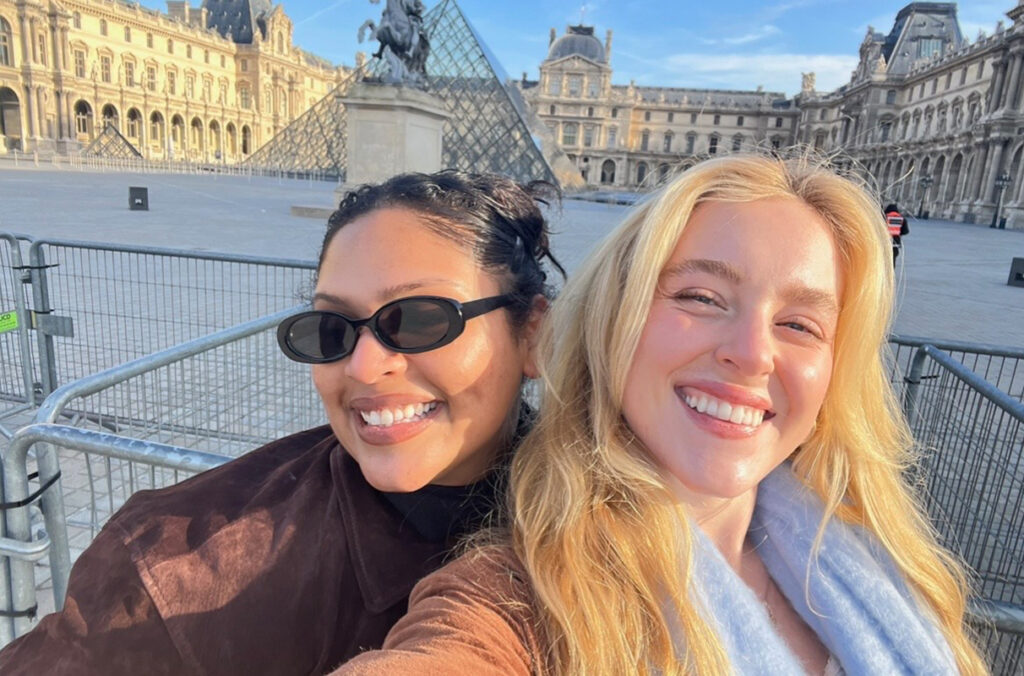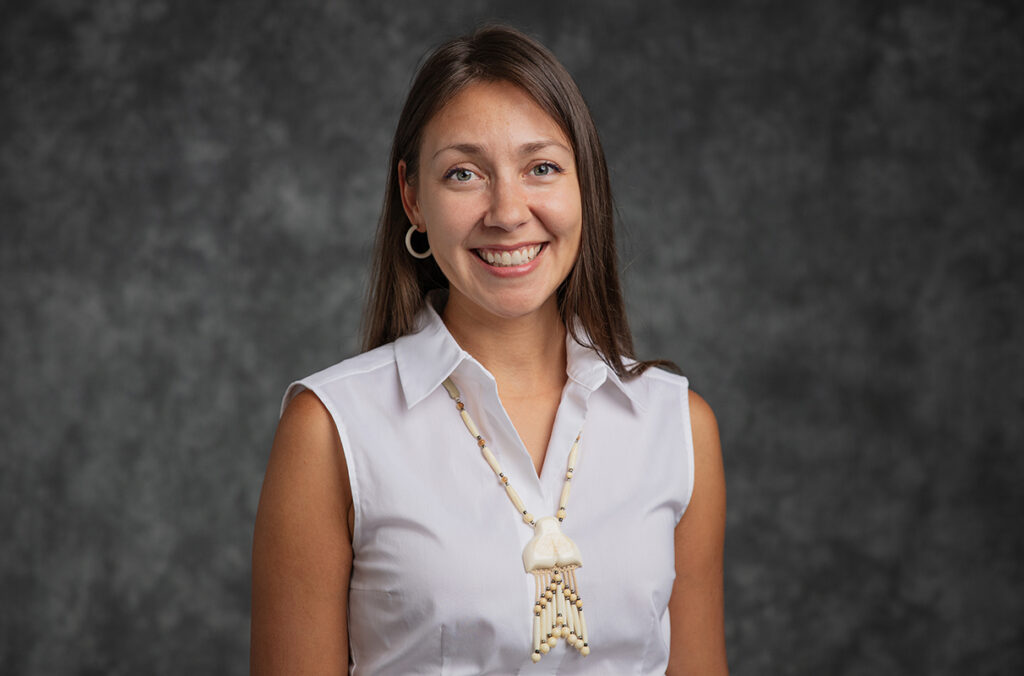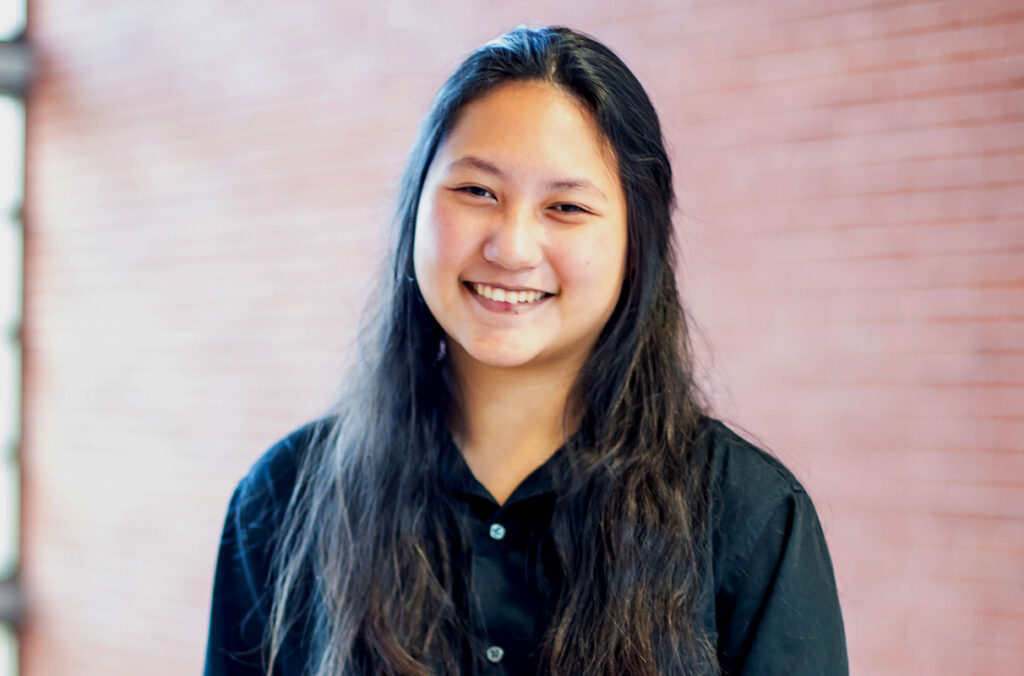
Hope Nobuko Kaleonanionaona O Kaho’ Dela Cruz has been named the 2025 Campus Civic Poet. An annual selection by committee, the Campus Civic Poet is a student with an evidenced commitment to poetry and to playing a leadership role on campus or who is otherwise engaged in civil discourse. It is through the student’s collection of poems that the committee acquires a sense of how the nominee approaches poetry as a public art form.
Originally from Wahiawā, Oʻahu, Dela Cruz is a sophomore pursuing a degree in English with a focus on creative writing, while setting her sights on a future in library sciences. Her journey to WSU was shaped by both practical and personal factors: affordability, a strong support system for Hawaiian students, and a welcoming English program that helped her feel at home in Pullman.
Being named Campus Civic Poet is more than a title for Hope — it’s a platform. “It’s an honor,” she said. “It means I get to help others express themselves and promote being different, being unique.”
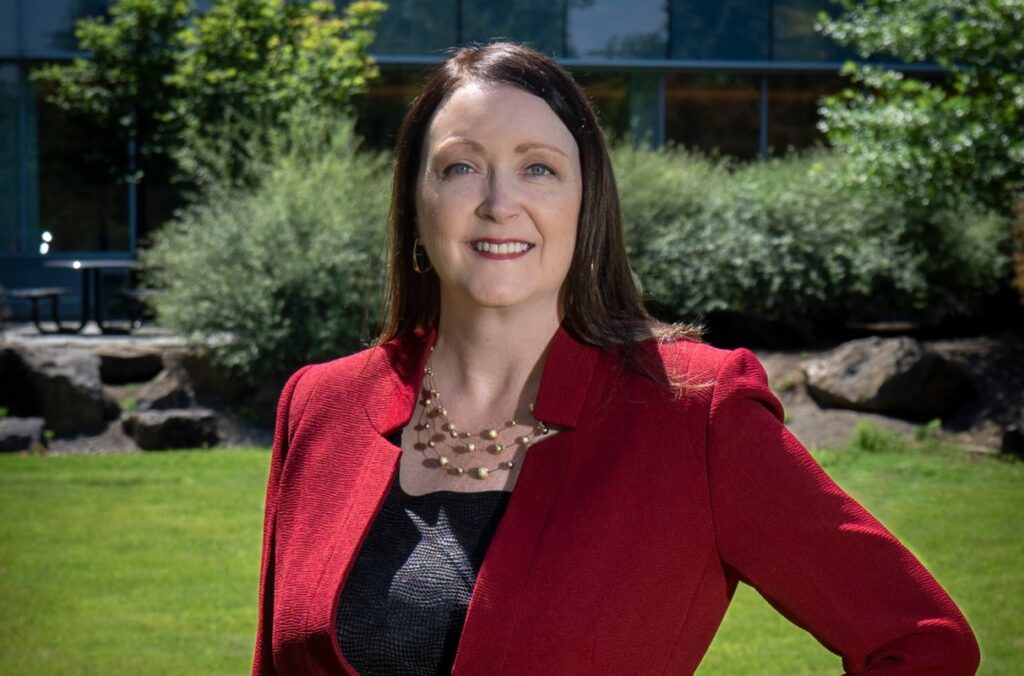
For Linda Russo, professor of English and director of creative writing, recognizing a Campus Civic Poet is a celebration of basic democratic principles.
“Anyone who writes creatively knows it’s a difficult undertaking; anyone who’s ever read at an open mic knows it’s scary to perform in front of an audience,” she said. “The Campus Civic Poet plays a role in encouraging others to share their voices. Without people using their voices and caring and listening to each other, we wouldn’t have a civic life and there’d be no civic poet.”
The Campus Civic Poet plays a role in encouraging others to share their voices. Without people using their voices and caring and listening to each other, we wouldn’t have a civic life and there’d be no civic poet.
Linda Russo, professor
Washington State University
Inspired by past campus poets and encouraged by mentors in the English department, Dela Cruz sees the role as a chance to demystify poetry and make it more accessible to students from all backgrounds.
“Hope’s poetry speaks from her own experiences in a socially relevant and resonant way, and I think it will get people thinking about the factors that shape how they understand their own experiences. It will also inspire others to tell their stories and give shape to their futures. This seems especially important right now,” said Russo.
As Campus Civic Poet, Dela Cruz will act in a service-oriented role, participating in campus events, reading original work, and potentially hosting open mic nights. She’s already been invited to read for the National Day of Racial Healing next January and hopes to use her platform to encourage others to explore poetry.
“I hate journaling,” she said with a laugh, “but I love poetry because it lets me express myself in a way that doesn’t have to follow rules.”
Dela Cruz’s poetry is as eclectic as her heritage — Filipino, Hawaiian, Japanese, Chinese, Scottish, and Spanish. Her work often explores themes of love, identity, and activism, drawing from her cultural roots and lived experiences. One of her submitted poems, “Freedom Dosage,” is written in the form of a medical prescription and reflects the cultural shock of moving from Hawaiʻi to the continental U.S.
“No one gives you a prescription for being brown in the United States,” she said.
Her poetic voice is best described as “eccentric.” She gravitates toward found forms and unconventional structures, crafting poems from dictionary entries, prescription labels, and even ingredient lists.
“I like containers,” she said, “and filling them with things outside the norm.”
Dela Cruz’s influences range from the abstract stylings of E.E. Cummings to the powerful voice of Native Hawaiian poet Brandy Nālani McDougall. She’s passionate about decolonizing the poetic space and uplifting marginalized voices.
“Poetry is inherently a form of activism,” she said. “It’s a way to yell at the crowd in flowery terms.”
Looking ahead, Dela Cruz plans to pursue graduate studies in library sciences and eventually work in academic or private collections. Her long-term goal: “To decolonize library spaces and ensure that diverse voices are not only included but celebrated.”
“Libraries should reflect the people they serve,” she said. “America is a melting pot — our libraries should be too.”