Washington State University’s Katy Whalen explores the history of the state’s oyster industry and the role of Japanese immigrants in reviving it in one chapter of a new book that is being recognized tomorrow by WSU Libraries as part of this year’s Crimson Reads.

As part of the event honoring members of the WSU community who have written a book within the last year, three authors will present a panel discussion from 2-4 p.m. in Terrell Library atrium titled “Resilience in Writing: Inspiration, Overcoming Writers Block, and ‘Things I Wish I Had Known.’”
Panelists are Grant Maierhofer, WSU Department of English scholarly associate professor and author of LRD, Sentence-Making, and two other 2024 titles; K.D. Prince, WSU student, ambassador for WSU’s Veterans and Military Affiliated Student Services, and author of The Last Dreamwalker; and Eugene Smelyansky, WSU Department of History teaching assistant professor and author of Medievalisms and Russia: The Contest for Imaginary Pasts. The panel will be livestreamed.
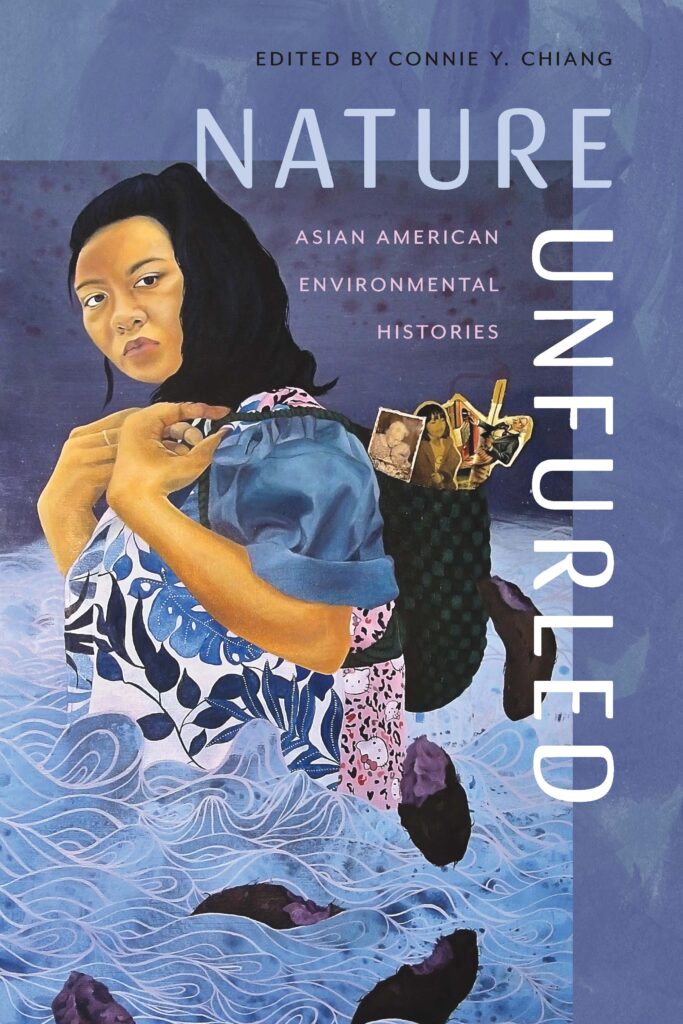
As a history major in college, Whalen, associate professor and assistant director of WSU’s Roots of Contemporary Issues Program, learned that Japanese immigrants and Japanese Americans (Nikkei) were a major part of the labor force in Washington’s oyster industry. In her academic research into the intersections of race, labor, and immigration in the American West, she discovered that Japanese immigrants were also oyster company owners and played a vital role as mediators of the oyster seed trade between Japan and Washington. Whalen describes this history in a chapter of Nature Unfurled: Asian American Environmental Histories.
“In short, the work they performed was far more than just wage-earning labor,” she said. “A very significant part of that story is the transplantation of the Japanese (now Pacific) oyster, which I argue saved Washington’s oyster industry after the native oyster was almost depleted due to overexploitation and pollution of oyster tidelands. While there are many in Washington that today celebrate the oyster and the continuing industry, the role of Japanese immigrants in that story is not made central. I hope that my work helps recenter our focus there.”
A selection of 2024 titles is on display in the Terrell Library display case (near the CUB entrance) through April 10.
‘Arts fundamentally express and enhance our shared humanity’
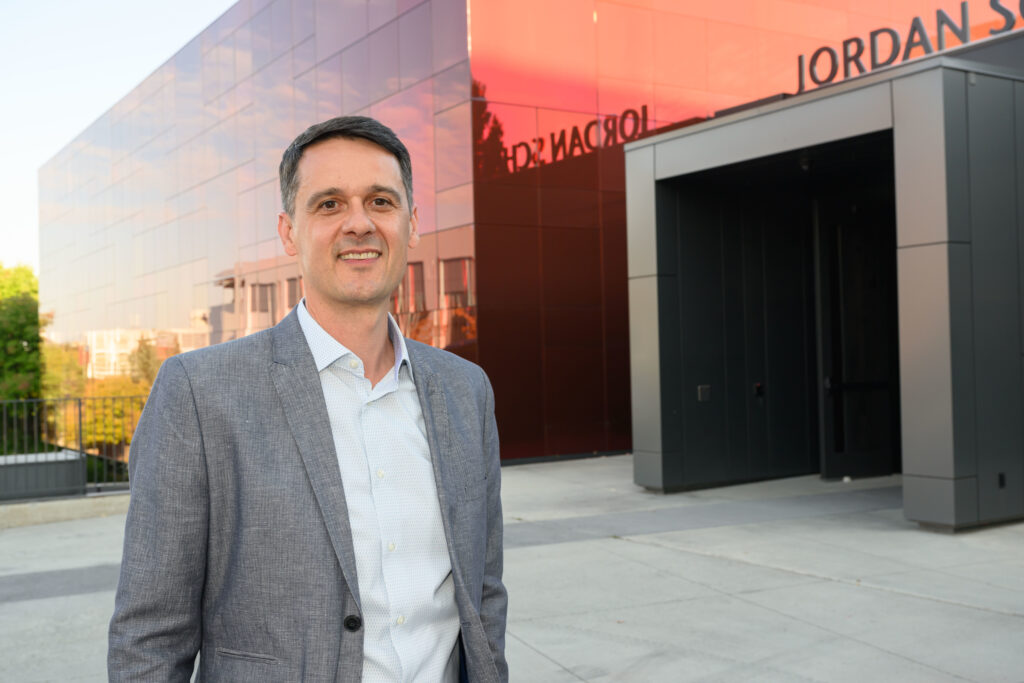
Ryan Hardesty, executive director of the WSU Jordan Schnitzer Museum of Art, edited Reflecting Fifty Years: Washington State University’s Art Museum, which commemorates five decades of artistic innovation and cultural enrichment at the university’s art museum, honoring the voices that shaped its history.

Hardesty invited two past directors, Patricia Grieve Watkinson and Chris Bruce, plus an individual particularly close to the permanent collection, Sean Elwood, to help illuminate the museum’s formation and growth decade after decade. Hardesty said one of the most satisfying aspects of editing the book was personally inviting around 30 members of the museum’s extended family to request their reflections for prints.
“I wanted to share with the broader public what this museum has meant to our community,” he said. “The main goal of this anniversary year has been, of course, to express the essential belief that the arts fundamentally express and enhance our shared humanity. It is a remarkable and undeniable fact that it has been the hundreds and hundreds of people over the last 50 years who have carried, and cared for, this core tenet. I am so pleased that the book could be a part of how the current staff was able to extend our heartfelt gratitude to all who have come before.”
Largest urban infrastructure project in Chilean history
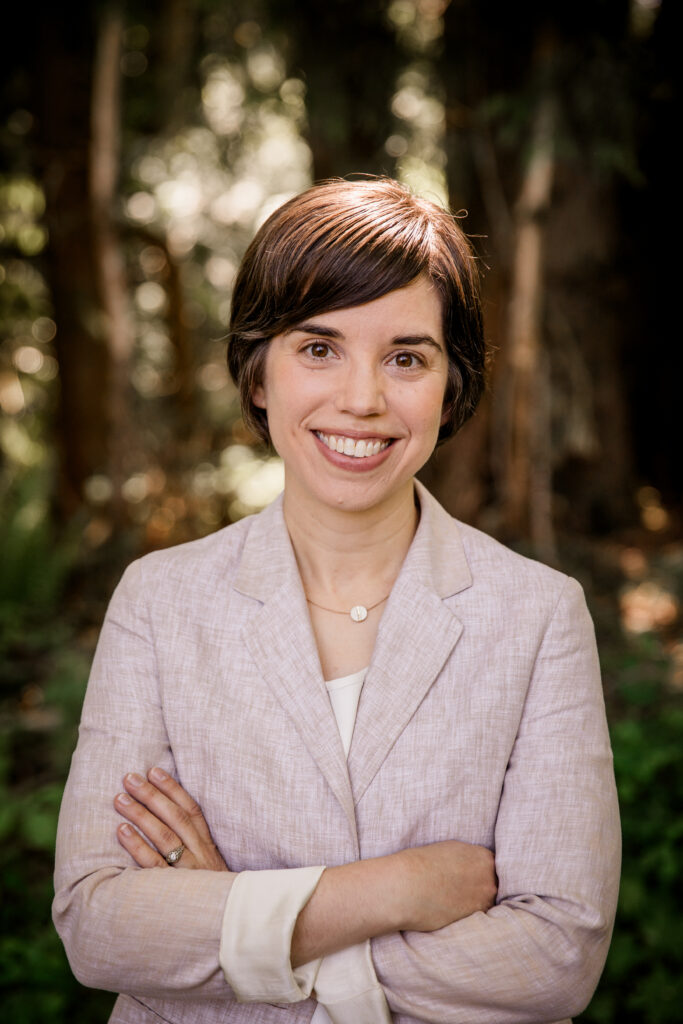
Andra Chastain, assistant professor in the WSU Department of History, wrote Chile Underground: The Santiago Metro and the Struggle for a Rational City. The book is a historical examination of the Santiago Metro system as a microcosm of Chilean national identity during the 20th century.
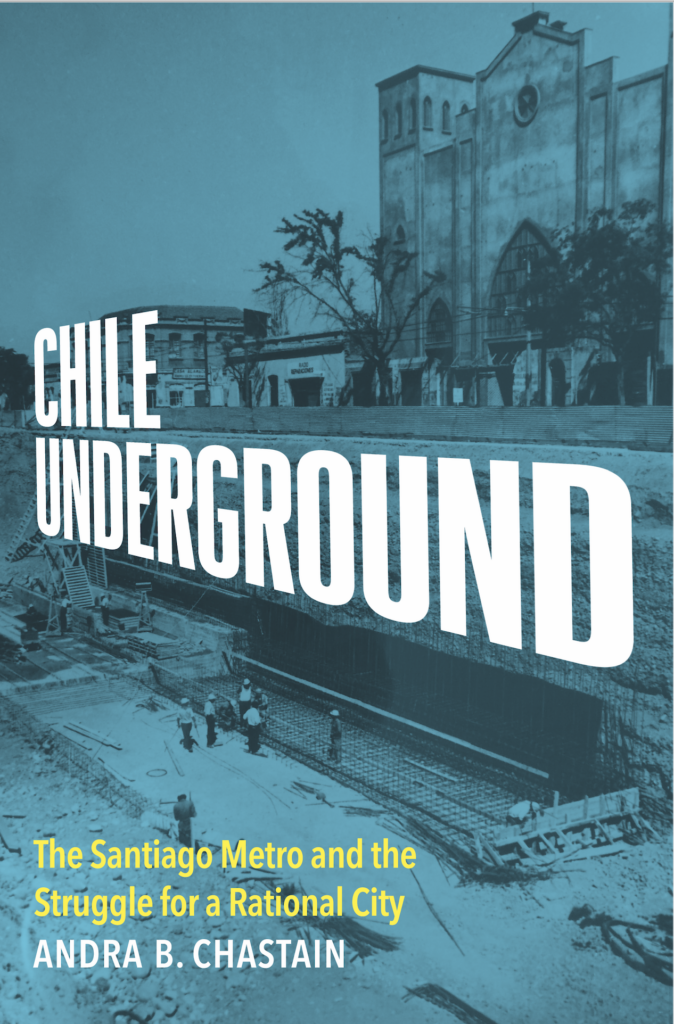
Fascinated by Chile’s political history, especially the democratic socialist government of Salvador Allende (1970-73) and the military dictatorship of Augusto Pinochet that followed, Chastain said the Metro system is essential to understanding this time in Chilean history because it was such a massive undertaking—the largest urban infrastructure project in the country’s history. It was carried out by the Chilean state from the 1960s to the present, despite radical political and economic changes.
“It raises questions about the role of the state (versus private capital) in promoting economic development, and it shows how Chile navigated its dependence on foreign capital for this project,” she said. “This story also shows how charged and culturally symbolic an infrastructure project can be. The Metro crystallizes the aspirations of society, reveals inequalities, and showcases struggles over the best path to modernity.”
More Crimson Reads author spotlights can be found this week at the WSU Libraries Facebook page.