If there’s one thing everyone can count on, it’s road construction.
But deciding which projects should be prioritized for maintenance at state, regional, and local levels is not straightforward. Often, decisions are subjective, says Kishor Shrestha, associate professor in WSU’s School of Design and Construction.
Shrestha recently received an award for high-value research from the Research Advisory Committee of the American Association of State Highway and Transportation Officials for his work on a computer algorithm to measure and prioritize maintenance of Washington State Department of Transportation projects.
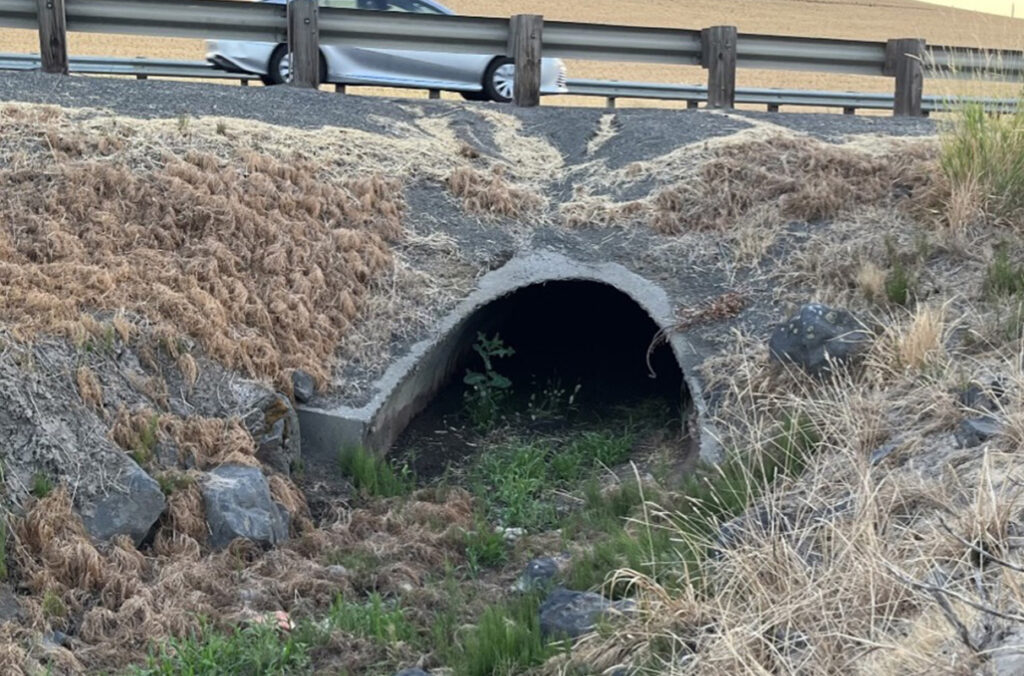
As part of the project, the researchers are developing a computer model that will forecast the performance conditions of six important and easily ignored highway assets, such as culverts, traffic signals, ditches, slopes, road barriers, and highway shoulders.
“I saw in Washington in the past five years, a limited research projects have been done in the area of maintenance,” said Shrestha. “I thought there must be some good challenges, and there might be a need for help on the research side.”
Making maintenance decisions, in many cases, has been based on subjective judgement and opportunity. This is why this kind of data-driven prediction tool is needed to use the taxpayers’ dollars efficiently.
Kishor Shrestha, associate professor
WSU’s School of Design and Construction
The U.S. interstate system was built between the 1960s and the 1990s. Most of that infrastructure has a lifetime of about 25 years, and, according to professionals, much of it is known to be in fair to poor condition. Throughout the system, state transportation departments are wondering how to best maintain the highways.
Washington has been a leader in even collecting performance data for its highway infrastructure, and they are just beginning to use that data in decision making. Meanwhile, other states are still just starting to collect long-term maintenance data.
“Making maintenance decisions, in many cases, has been based on subjective judgement and opportunity,” said Shrestha. “This is why this kind of data-driven prediction tool is needed to use the taxpayers’ dollars efficiently.”
As part of the project, the researchers first collected data to learn exactly what information decision makers need to best prioritize state maintenance projects and funding. They looked at specifics such as what kind of data is critical, where they could get it, and how much is needed.
During the next phase, the researchers aim to develop a machine-learning prediction model that uses the historical data to forecast the performance conditions of the six key highway assets in Washington. The models, which could eventually be replicated in other infrastructure assets, such as for the railway system as well as in other states, will help state departments of transportation predict their maintenance under different funding scenarios.
“It will allow them to set realistic targets, optimize resource allocation, and avoid costly reactive maintenance,” said Shrestha.