Nov. 5: Personalized health care focus of biotechnology presentation

Lee Hood

Leroy “Lee” Hood, co‑founder of the Institute for Systems Biology, a nonprofit research organization in Seattle, will give a presentation titled “Systems Medicine, Personalized Health Care and Community Health,” 3:30‑4:30 p.m. Monday, Nov. 5, at WSU Spokane, Academic Center Room 20.

The presentation is open to the public.

Prior to founding the Institute for Systems Biology in 2000, Hood was a professor at Caltech and University of Washington. His inventions in the 1980s and 1990s revolutionized molecular biology, enabled the emergence and growth of biotechnology industry, and enabled the Human Genome Project. His discoveries led to the:

  • First gas phase protein sequencer
  • DNA synthesizer
  • Automated peptide synthesizer
  • Automated DNA sequencer
  • Ink‑jet oligonucleotide technology for synthesizing DNA
  • Nanostring technology for analyzing single molecules of DNA and RNA

In 2015, Scientific American counted him among the 10 most influential people in the field of biotechnology.

Next Story

Recent News

Thousands of memories, one stunning work of art 

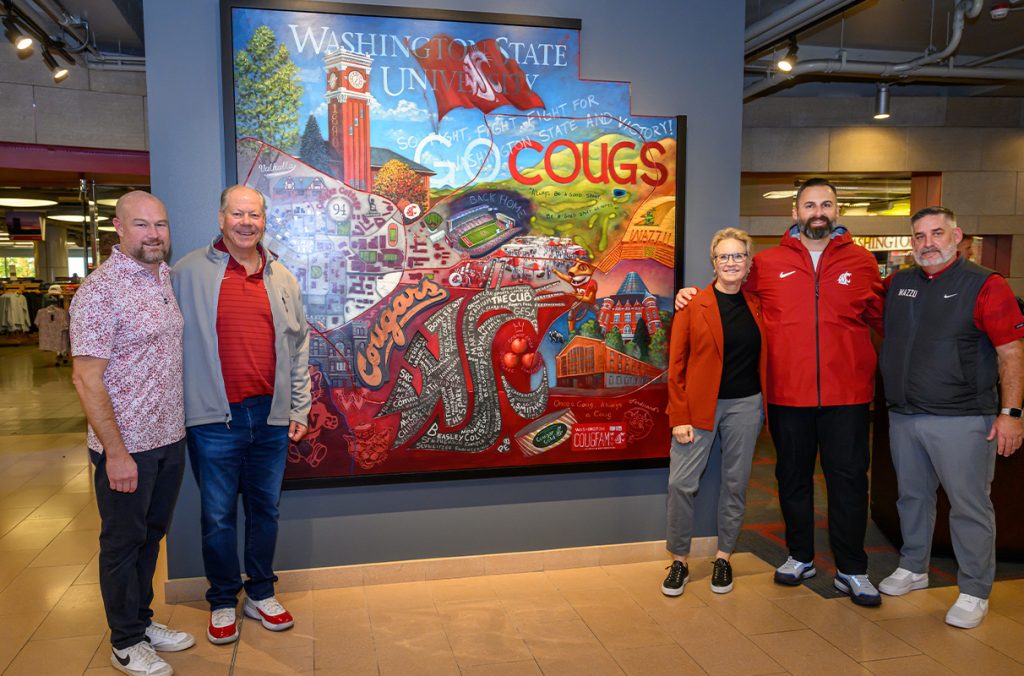
The latest creation of renowned Spokane artist Ben Joyce – unveiled Thursday on the WSU Pullman campus – is a canvas brimming with Cougar Spirit.  

WSU students have options for voting in November election

The Thomas S. Foley Institute of Public Policy and Public Service has published a guide explaining how students registered to vote elsewhere in Washington can cast their ballots in Pullman for the Nov. 3 general election.

DTC students gain experience through student design agency

Projects have ranged from rebranding the Pullman Civic Theatre to creating visual materials for community youth gardens, giving students opportunities to work with real clients while supporting local nonprofits.

Researchers receive ESWEEK best paper award 

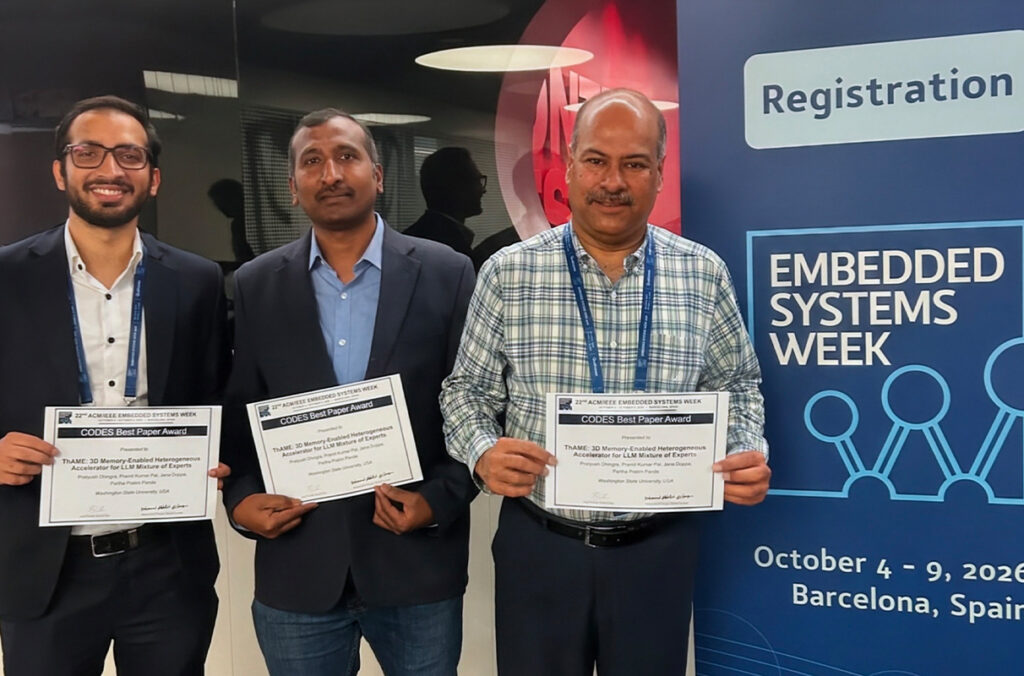
The WSU team developed a new hardware architecture that could help AI models such as ChatGPT and Claude run faster while using significantly less energy.