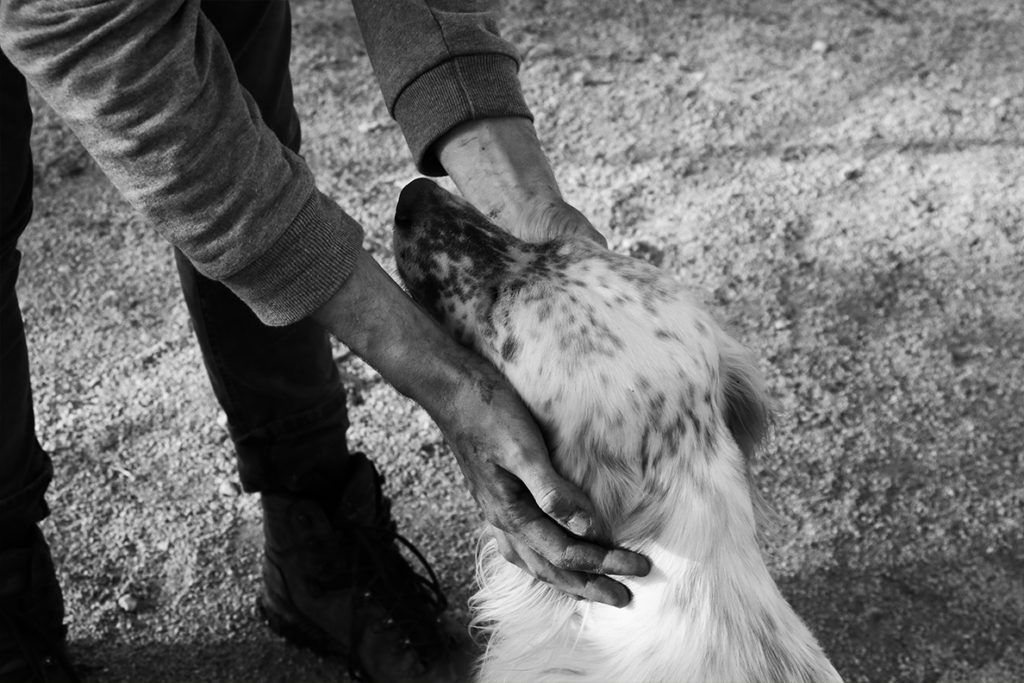
PULLMAN, Wash.—The Pet Loss Hotline, a service of Washington State University’s College of Veterinary Medicine, was discontinued on July 1.
The service had been provided to animal owners whose beloved pets are facing terminal illness or recently passed away. The shutdown resulted from the overwhelming logistical and expertise demands of operating a call back service available to an increasingly growing population.
Additionally, volunteer WSU veterinary students who underwent special training to deal with callers facing pet loss only, encountered a greater number calls that went far beyond their level of training.
“Some callers were despondent, some were suffering with other mental health issues, and some related past traumas that were exacerbated by the loss of an animal,” explained Valerie Russo, a mental health counselor in the WSU veterinary college and the faculty member in charge of the program. “Our volunteer students were not trained and not legally capable of handling that level of mental and emotional disorder. It began to affect some of our students negatively when they were confronted with discussions that went far beyond the realm of pet loss.”
Resources for dealing with animal loss and grief remain available online at the Pet Memorial Program.
Nationwide, hotlines of all types have been reporting spikes in the number, severity, and inappropriate nature of calls to levels that are unsustainable. Like WSU, some have had to shut down their services as well.
Media contact:
- Charlie Powell, public information officer, WSU College of Veterinary Medicine, 509‑595‑2017, charlie_powell@wsu.edu