WSU human resource chief receives distinguished service award

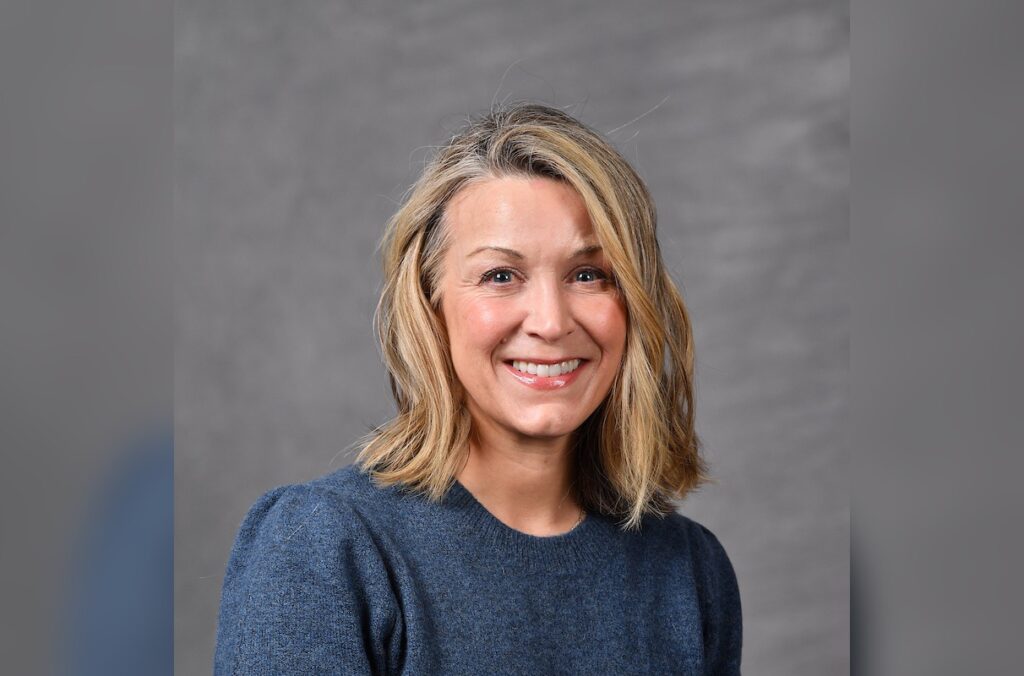
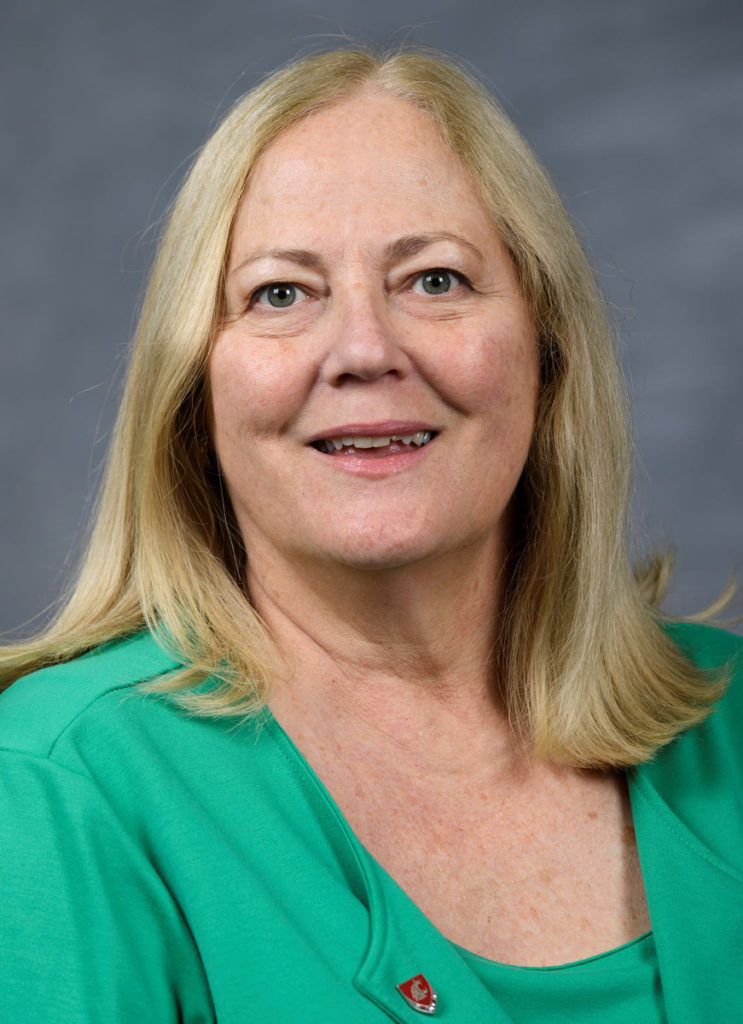
Closeup of Theresa Elliot-Chelsek.
Theresa Elliot-Chelsek
Theresa Elliot‑Chelsek, associate vice president and chief human resource officer at Washington State University, has been awarded the 2019 Western Region Distinguished Service Award from the College and University Professional Association for Human Resources (CUPA‑HR).

CUPA‑HR is made up of more than 25,000 HR professionals and other higher education leaders at over 2,000‑member organizations. The distinguished service award is given annually to the member of the CUPA‑HR Western Region who most exemplifies distinguished service to the human resources profession and to CUPA‑HR.

The 2019 western region award recipients will be honored at the CUPA‑HR spring conference April 14–16 in Seattle.

WSU career

Elliot‑Chelsek, a WSU alum and former WSU women’s basketball player, joined WSU in 1999 in Human Resource Services. She held positions as consultant, assistant director, associate director, and has served as associate vice president and chief human resource officer since 2013. She served as the CUPA‑HR Western Region chair in 2017‑18 and on the CUPA‑HR Western Region board since 2015. She has been a board member of the Washington Chapter of CUPA‑HR since 2012 and served as the chapter’s president 2017‑18 and as secretary 2013‑15.

Next Story

Recent News

WSU lands $1.4M DOE grant to train next wave of nuclear workers

The grant will help expand WSU’s nuclear training capabilities, supporting a new “Reactor Ready” initiative aimed at preparing students and other workers for careers in the nation’s nuclear energy sector.

Graduating senior caps comprehensive Cougar experience

From flying through the air as a cheerleader to researching human health, graduating senior Maddy Reyes embraced nearly every aspect of being a Coug.

AI cuts wildlife tracking time from months to days

A new WSU-led study found that AI can cut wildlife camera-trap analysis from months to days while producing results similar to human experts, potentially transforming conservation monitoring.