Center for Columbia River History Presents “Sites of Persistence and Resistance: Uncovering the Hidden History of Indian Homesteading in the Columbia Basin”

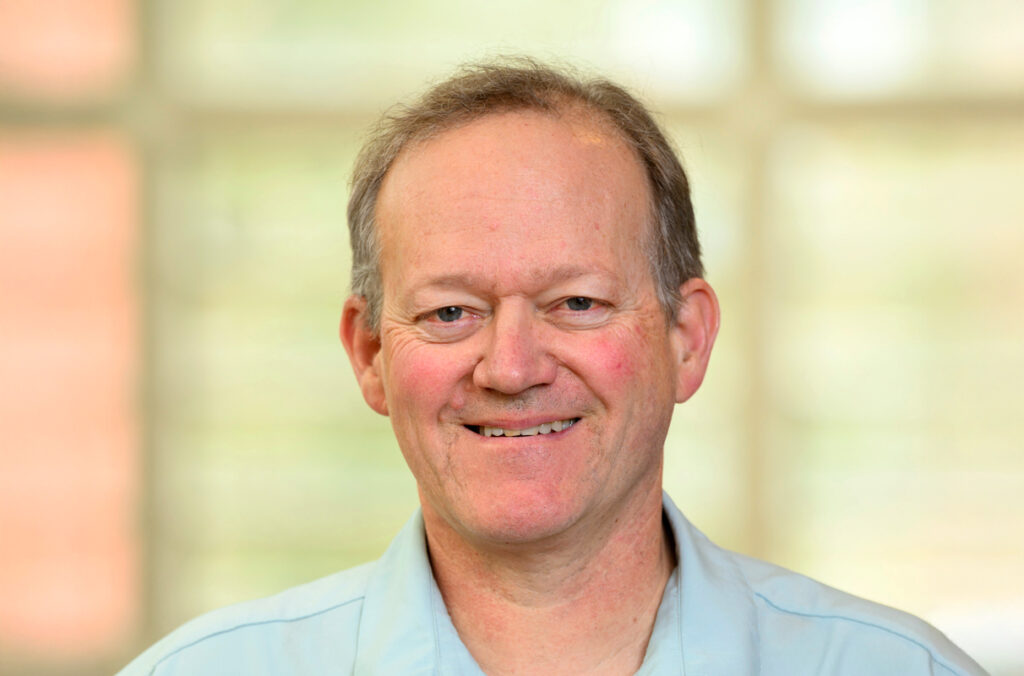
VANCOUVER, Wash. — Andrew Fisher, the 2005 recipient of the Center for Columbia River’s James B. Castles Fellowship and assistant professor at the College of William and Mary, will give a talk examining Indian homesteading in the mid-Columbia region and the potential for using historical archaeology to uncover this hidden history.

The presentation titled “Sites of Persistence and Resistance: Uncovering the Hidden History of Indian Homesteading in the Columbia Basin” will take place at 7 p.m. June 22 at the Pearson Museum Auditorium (1115 East 5th Street, Vancouver, Wash.). 

Fisher’s lecture is the first in the 2006 Archaeology Field School Lecture Series, “Hidden History and Forgotten Things,” at the Vancouver National Historic Reserve. The lecture series is free and open to the public. Light refreshments will be served.

The Archaeology Field School is a joint undertaking of the Northwest Cultural Resources Institute at Fort Vancouver National Historic Site (National Park Service), Portland State University, Washington State University Vancouver and the Vancouver National Historic Reserve Trust.


For more information about the speaker series or the Archaeology Field School, call Doug Wilson, (360) 696-7659, ext. 24; e-mail Doug_Wilson@nps.gov; or visit ccrh.org.

WSU Vancouver is located at 14204 N.E. Salmon Creek Ave., east of the 134th Street exit from either I-5 or I-205. WSU Vancouver offers 14 bachelor’s degrees and nine master’s degrees in more than 35 fields of study.

Next Story

Recent News

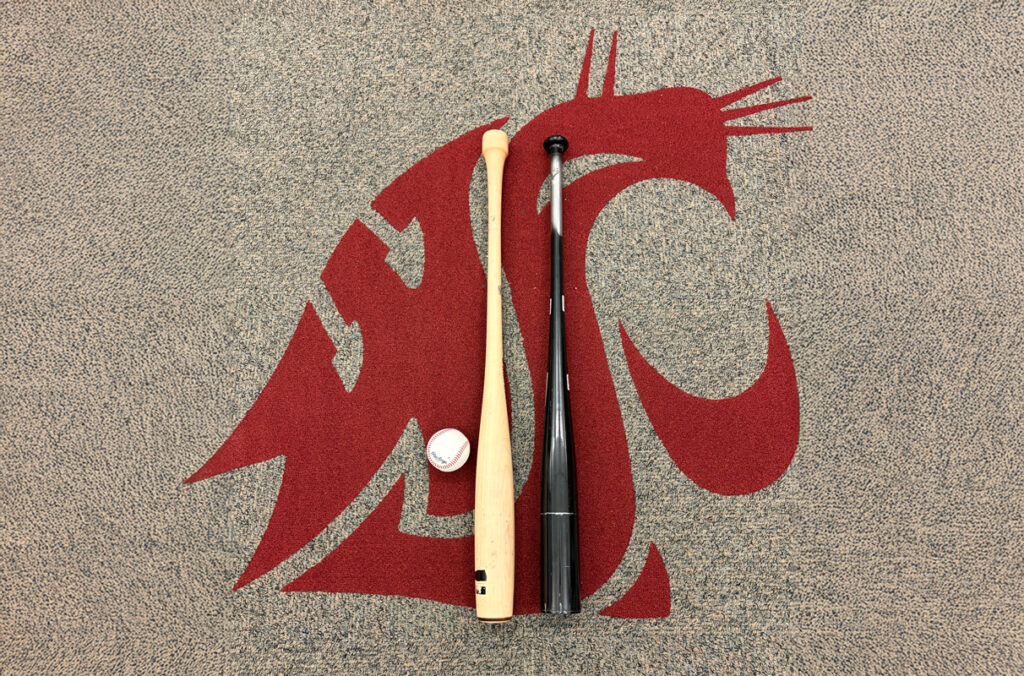
Science confirms torpedo bat works as well as regular bat

Lab tests show the much-hyped torpedo bat offers no real power advantage over traditional designs, with only a slight shift in the sweet spot that may suit certain hitters.