Science confirms torpedo bat works as well as regular bat
Lab tests show the much-hyped torpedo bat offers no real power advantage over traditional designs, with only a slight shift in the sweet spot that may suit certain hitters.
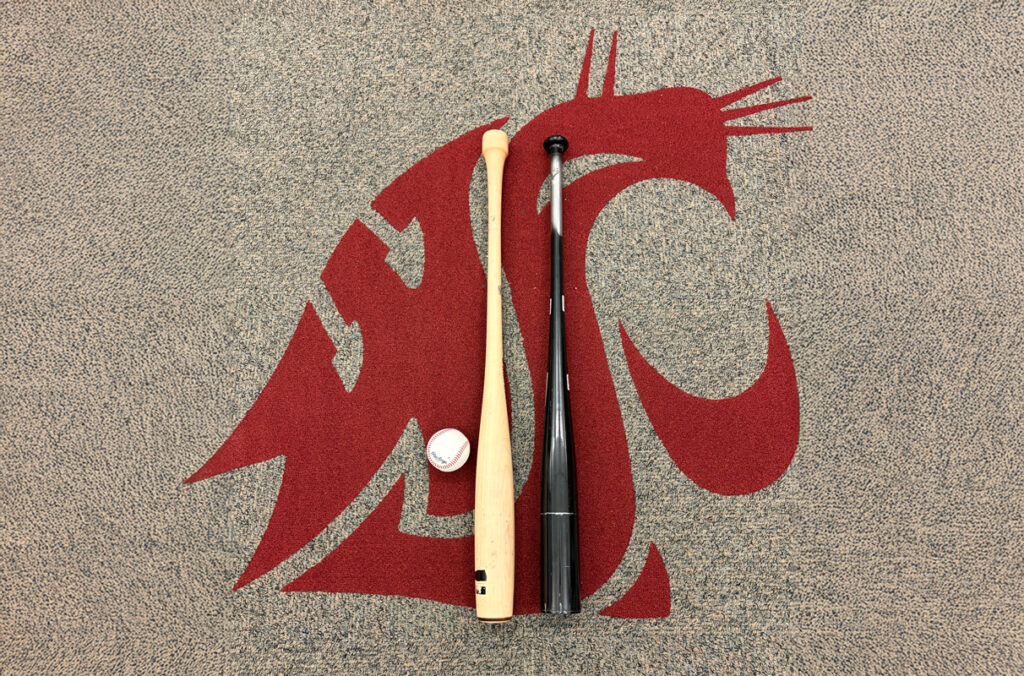
Lab tests show the much-hyped torpedo bat offers no real power advantage over traditional designs, with only a slight shift in the sweet spot that may suit certain hitters.
A catalyst developed by WSU researchers converts renewable ethanol into molecules that could replace petrochemicals in the production of everyday products.

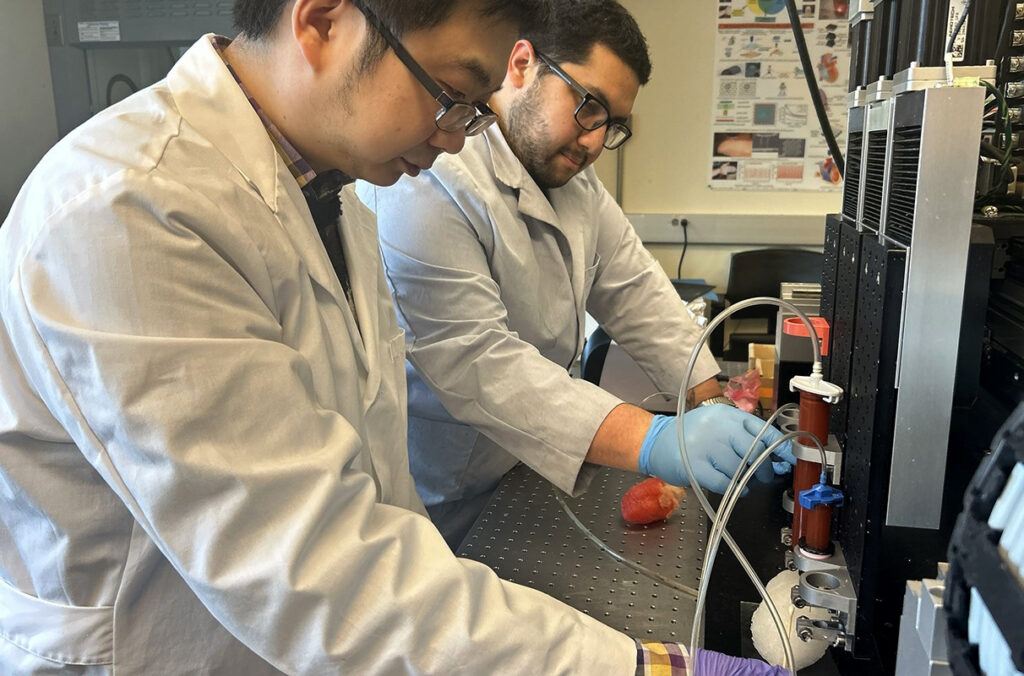
The model offers the prospect of improved training procedures for heart surgeries that doesn’t involve animals or cadavers.
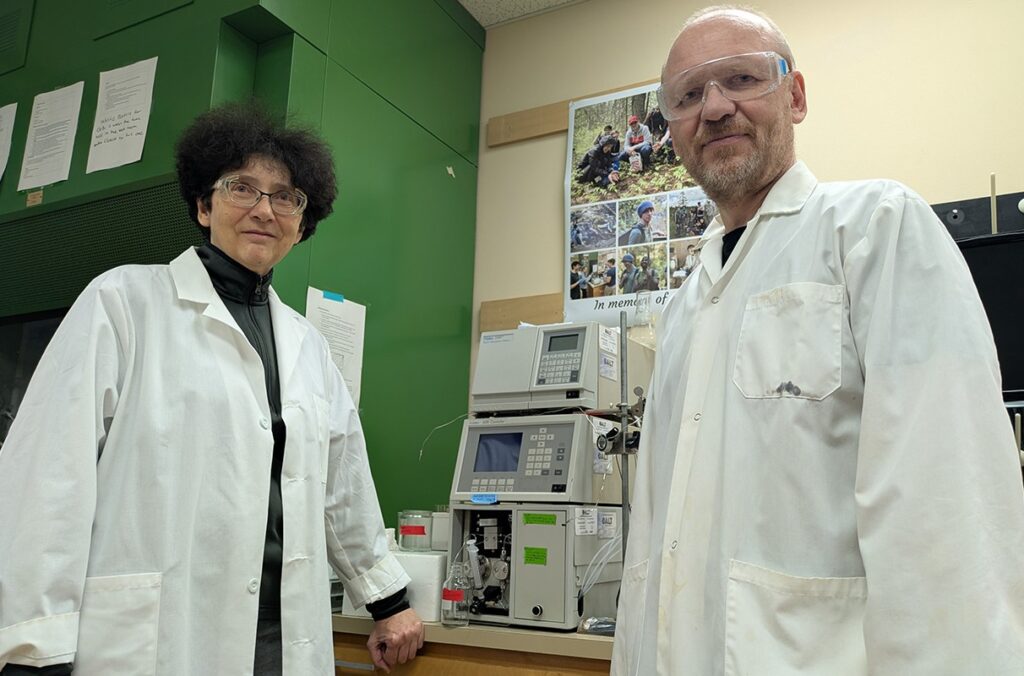
WSU team collaborates on study identifying a key region in a muscle protein that is crucial to the coordination of the heartbeat.
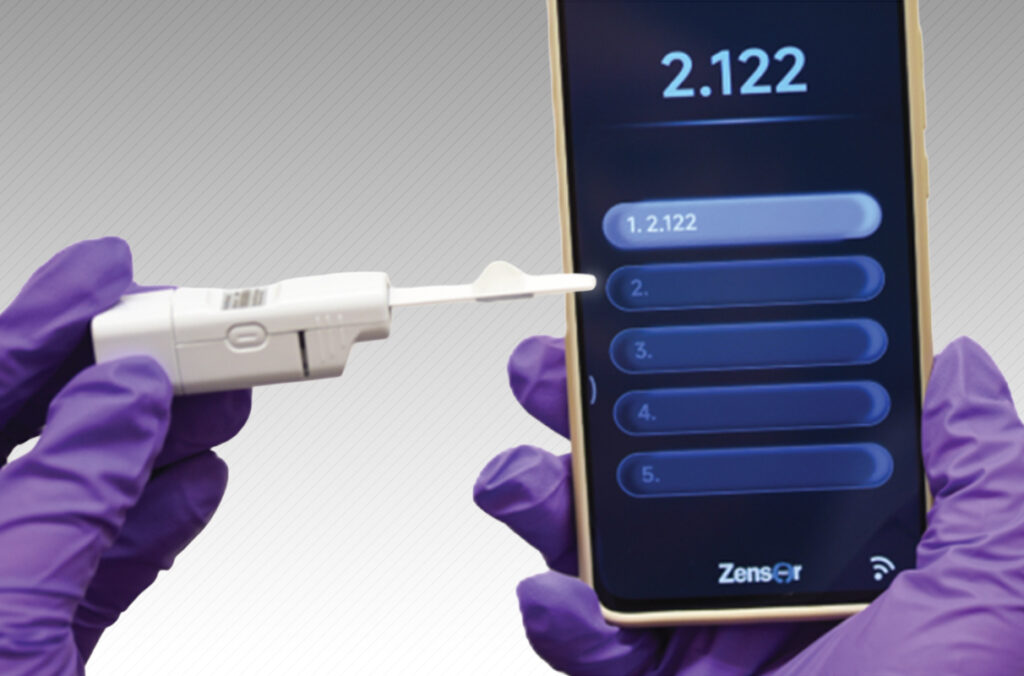
A wearable sensor could improve wireless monitoring for diabetes patients, making it more cost-effective and accurate while less invasive.
Five programs rank in Top 25 in six separate categories, with two more edging into the Top 40.

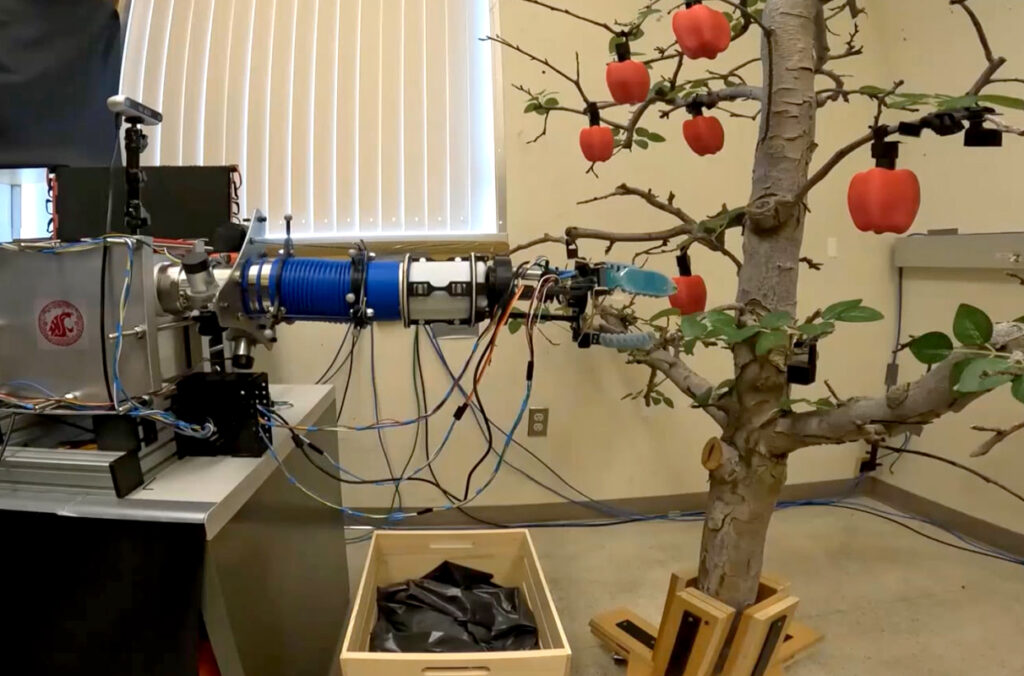
A low-cost, simple robotic apple picker arm developed by Washington State University researchers may someday help with fruit picking and other farm chores.
WSU researchers have found a way to block a molecular interaction, preventing viruses from entering cells where they can cause illness — a discovery that could lay the groundwork for new antiviral treatments.

A WSU-led team developed 3D‑printed flexible antenna arrays that could lead to wearable wireless devices and improved communications in drones, aircraft, and cars.

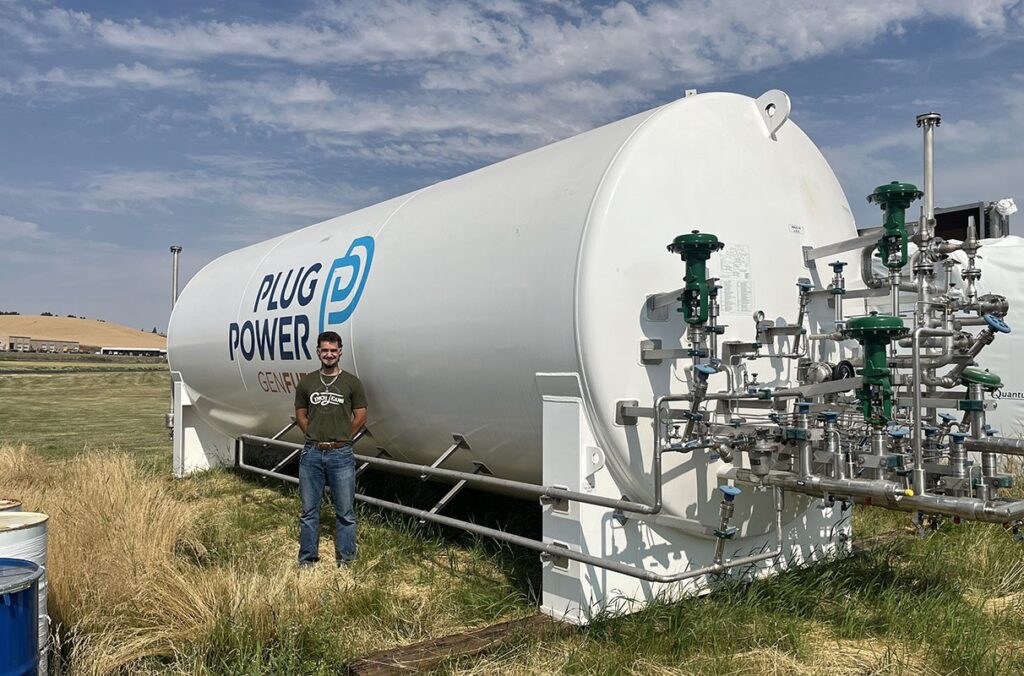
The researchers are trying to prevent “boil-off” of liquid hydrogen, which would be a major step toward making it viable as a green alternative for gas- and diesel-powered engines.