SPOKANE, Wash. A disease you’re suffering today could be the result of your great-grandmother being exposed to an environmental toxin during pregnancy, and you may already have passed it along to your children.
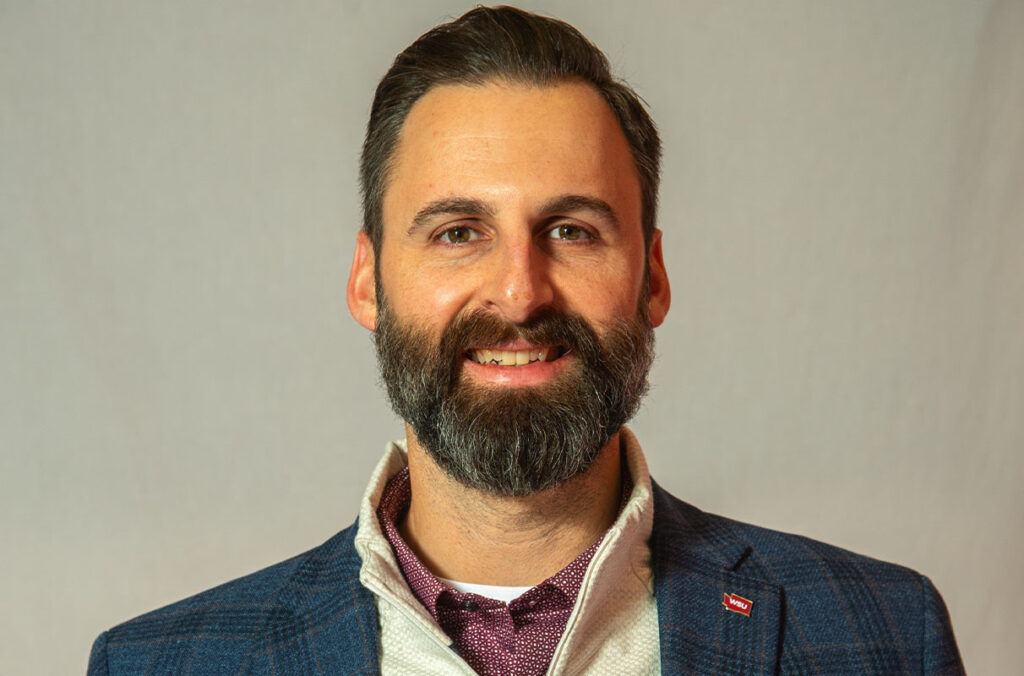
Michael Skinner, Washington State University molecular biologist, said this groundbreaking discovery could lead to a paradigm shift in our understanding of disease that could affect medicine, toxicologyeven evolution.
Skinner will discuss his research in “Epigenetics, Heredity, and the Environment: The Ghost in Your Genes” Dec. 7 at Washington State University Spokane, Riverpoint Campus in the South Campus Facility. Tickets are $30 per person and include lunch from noon to 1:30 p.m., with registration to begin at 11:30 a.m. To register, visit www.wsu.edu/theinnovators or call 877/978-3868.
WSU researchers found that environmental toxins can alter the activity of an animal’s genes in a way that is transmitted through at least four generations after the exposure. Their discovery suggests that toxins may play a role in heritable diseases that were previously thought to be caused solely by genetic mutations. It also hints at a role for environmental impacts during evolution.
“It’s a new way to think about disease,” said Skinner, director of the
Skinner’s research found that when pregnant rats were exposed to environmental toxins to gauge the effect on testis development, the immediate male offspring as well as the next two generations of male pups had lowered sperm counts. As the animals aged a host of diseases from cancer to immune dysfunction developed for all generations examined.
These epigenetic changes, or changes that occur due to chemical modification of the DNA, altered the function of the genes similar to flipping a light switch. The implications for human health include the possibility that events in a person’s lifetimesuch as exposure to toxicants, stress or diseasecould affect that person’s descendants several generations later.
Skinner’s research attracted worldwide attention when his findings were published in the journal Science June 2005. The January 2006 issue of Discover included his work on its list of the “100 top science stories of 2005.”