Using herbs like echinacea to battle colds, ginseng to offset physical and mental fatigue, and St. John’s Wort to avoid the blues, a growing number of Americans are turning to herbal products and dietary supplements to treat a variety of ailments and improve their overall health.
In fact, nearly one-fifth of the U.S. adult population – or more than 38 million adult Americans – is currently taking one or more herbs or dietary supplements regularly, according to Jae Kennedy, associate professor of health policy and administration at WSU Spokane.
Drawing on data from the complementary and alternative medicine (CAM) supplement of a 2002 national health interview survey conducted by the National Center for Health Statistics, Kennedy recently provided the first detailed national look at the use of “natural” medicine supplements in an article published in the journal “Clinical Therapeutics.”
In the article, Kennedy estimated that 38.2 million U.S. adults used one or more herbs or dietary supplements at the time of the national survey. The figure, which amounted to 18.9 percent of the adult U.S. population at the time, was nearly twice the 9.6 percent of survey respondents who reported using such supplements only three years earlier. The most commonly used herbal medication cited by respondents was echinacea, followed by ginseng, ginkgo biloba and garlic supplements.
Kennedy also found that herbal product and dietary supplement use was significantly higher among women, middle-aged adults, college graduates and residents of the western United States. Differences between racial and ethnic minority groups also existed, with multiracial adults, Asians and Native Americans reporting a higher rate of use than other ethnicities.
Generally, those who use herbal products and supplements consider themselves to be in good or excellent health, are former smokers, and exercise regularly, he said. Most use herbs as a complement rather than an alternative to conventional medical treatment. The majority of users described herbs and natural products as important to their health and well-being.
One concern arising from Kennedy’s study is that only a third of those using herbs and dietary supplement indicate that they informed a physician about their treatment decision.
“Most users take herbs with good safety profiles, either for general health and well-being or to treat relatively minor and transient conditions,” he said. “However, those who use herbal supplements in conjunction with prescription or over-the-counter medications may be at risk for serious drug interactions and complications.”
Kennedy is calling for increasing communication about herbal and natural products between patients and their physicians.
“Physicians and other health professionals should be aware that herb use is now widespread, and they should understand how herbs may influence conventional treatment regimens,” he said.
Kennedy also suggests that future research should assess the role of pharmacists in educating patients about the risks and benefits of herbal medicines.
In an accompanying editorial, section editor Alan Lyles wrote of the significance of the information contained in Kennedy’s article.
“CAM use is extensive, but the peer reviewed literature on it, compared with that for conventional medical care, is sparse,” Lyles wrote. “In the past, this has led to a self-perpetuating cycle of disparaging CAM for its lack of evidence while funneling funding into conventional lines of inquiry in fundamental and clinical research …The article by Kennedy in this issue serves as part of a growing body of literature that reduces the evidence gaps and provides detailed evidence of CAM use.”
About the Health Policy and Administration Program
The graduate program in health policy and administration in the College of Pharmacy at Washington State University Spokane prepares students for leadership in health administration and policy. It is one of only 72 health services administration programs in North America accredited by the Commission on Accreditation of Healthcare Management Education.
WSU’s HPA program is one of the top four health administration programs in the 14-state Western region comprised of Alaska, Arizona, Colorado, Hawaii, Idaho, Montana, Nevada, New Mexico, North Dakota, Oregon, South Dakota, Utah, Washington and Wyoming.
Next Story

WSU hosts 50th Murrow Symposium on April 6, featuring industry leaders and livestream access
Over three days, the symposium will feature keynote speakers, nationally recognized journalists, industry panels, and interactive student experiences.
Recent News

Science confirms torpedo bat works as well as regular bat
Lab tests show the much-hyped torpedo bat offers no real power advantage over traditional designs, with only a slight shift in the sweet spot that may suit certain hitters.
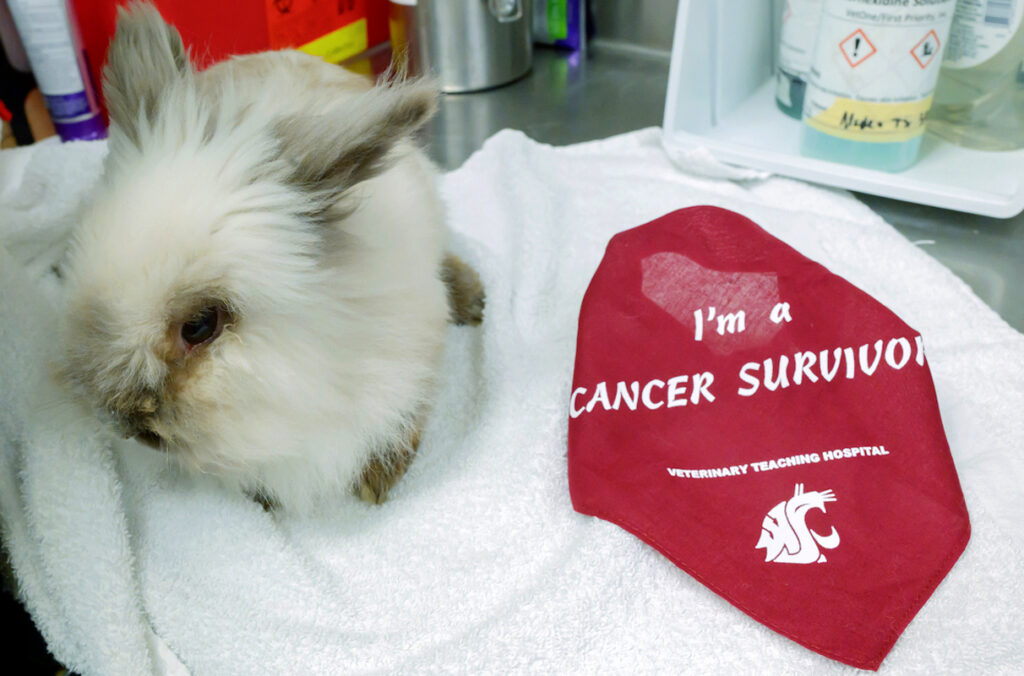
Rabbit returns home for Easter after cancer treatment at WSU
After life-saving radiation treatment at WSU’s Veterinary Teaching Hospital, a 10-year-old rabbit is back home in time for Easter, giving his owners more time with their beloved pet.

Christianity in America: A conversation with historian Matthew Avery Sutton
The WSU historian explores how Christianity has shaped American culture in a new book tracing the religion’s evolving role in the nation’s past and present.

In a camper down by the river: WSU students spend spring break helping cows
Students traded spring break trips for hands‑on experience caring for calves in a rugged Snake River pasture, gaining real-world training in animal science and veterinary medicine.

Doug Call to step down as senior vice provost
Call is returning to faculty July 1 and an internal search for a new vice provost for faculty affairs and development is being launched.
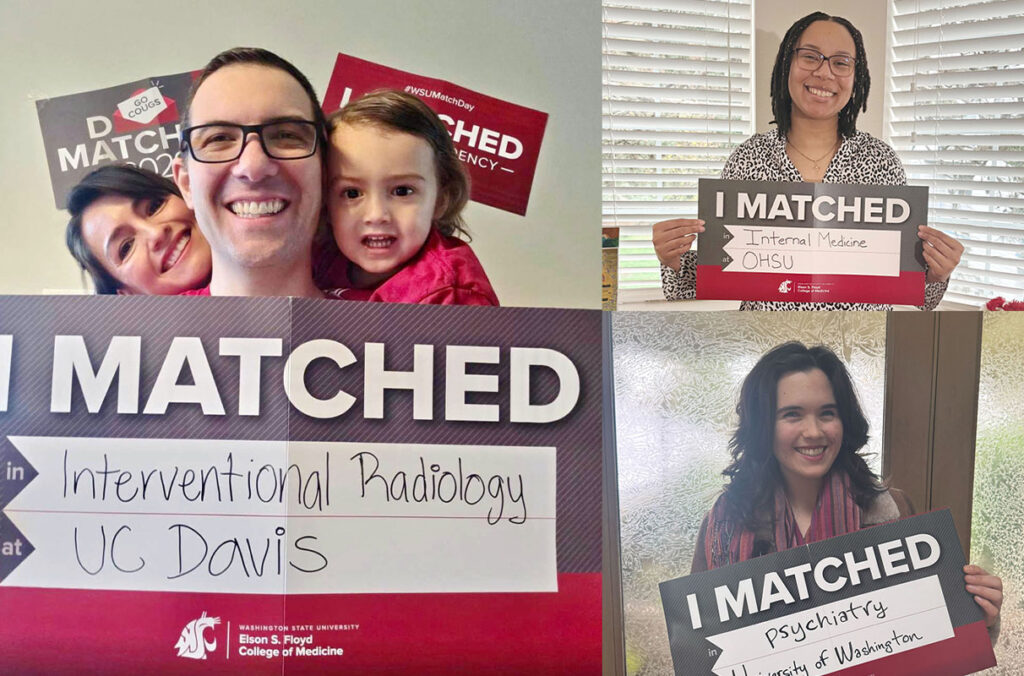
WSU College of Medicine celebrates Match Day, milestone for Class of 2026 Coug docs
Students gathered with loved ones across the state on March 20 to celebrate a major milestone on their path to filling a critical need for more physicians in Washington and beyond.