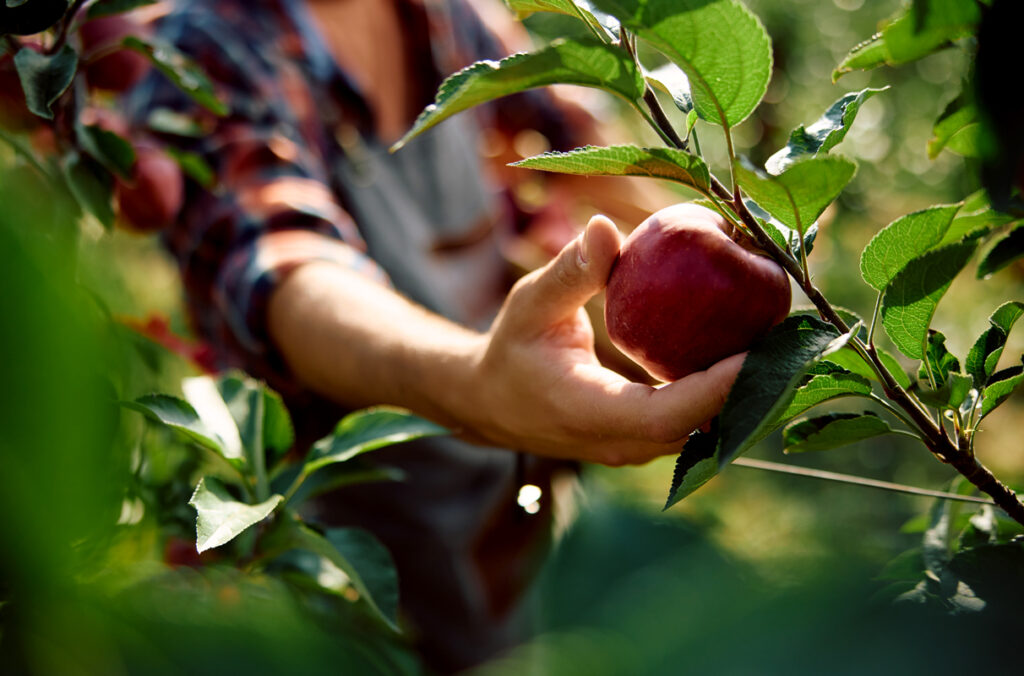
A national farmworkers advocate, a new self-guided art tour, a WSU Libraries photo display highlighting the history of migrant labor, and multiple service and educational events will spotlight the contributions and challenges of farmworkers during National Farmworkers Awareness Week (NFAW) at Washington State University.
“WSU’s strong ties with the agricultural industry in Washington, its land-grant heritage, and its long history of providing support to students from migrant and seasonal farm-working backgrounds calls for a robust week of events,” said Michael Heim, director of educational opportunity grants in Student Affairs.
The week’s events begin March 25 with a WSU Libraries photo display in Terrell Library highlighting the history of migrant labor in the Yakima Valley, followed by a series of service, education, and awareness activities, including a campus blood drive and clothing donation effort, and culminating April 2 with a keynote address by Sylvia Zapata, executive director of Student Action with Farmworkers (SAF).
- Nash photo display and slideshow
March 25–31, 9 a.m. to 4:30 p.m.
Terrell Library ground-floor reading room
Historic photos highlighting Yakima Valley farmworker life and labor activism - National Farmworkers Awareness Week Blood Drive
Thursday, March 26, 11:30 a.m. to 5:30 p.m.
Look for the Vitalant bus near the Edward R. Murrow College of Communication - Long sleeves clothing & food drive
March 27–April 3
CUB fourth floor, Student Recreation Center, Chinook Student Center, Lighty 260, and dining centers - Art Walking Tour
Monday, March 30, self-guided
A map can be obtained in the Office for Access and Opportunity, Lighty 260, or on the NFAW web page - The Bandana Project
Tuesday, March 31, 5–6:30 p.m.
Spark 227 - Keynote address by Sylvia Zapata
Tuesday, April 2, 5–6 p.m. (watch on YouTube)
CUB Auditorium
As part of SAF’s mission, Zapata works to bring students and farm workers together to learn about each other’s lives, share resources and skills, and improve conditions for farm workers.
“Sylvia is intimately familiar with the issues currently facing farmworkers, not only from her own experience as a child of farm-working parents, but the people she works with across the nation in the agricultural industry,” Heim said.
The idea of a self-guided art tour developed after Heim learned of an art piece on campus he did not know about. The piece is one of about a half-dozen on the Pullman campus inspired by farm workers and the Latinx community, and he wanted to give them more visibility.
“These art pieces, in a way, institutionalize the movement and are interwoven into the fabric of the university, and we wanted to help people find them,” Heim said. “They are reminders that farm workers are an important part of our state and university, and a significant portion of our student body come from farm working families.”
Appreciating those who feed our families

Among the students with farm working backgrounds are juniors Luis Vidrancos and Hannia Hernandez-Mendoza. Both worked alongside their parents in the orchards and fruit-packing sheds while growing up.
“I started to work in the fields in sixth grade, and even though I was just picking weeds at the time, I was hot, tired, and sweaty,” Vidrancos said. “It’s 37 degrees out right now and I know my parents are outside working in the orchards as we speak.”
Vidrancos, an engineering major, said many people have no idea of the hard work and sacrifice farm workers are making every day to put food on our tables, and that is why NFAW is important.
Hernandez-Mendoza described challenging working conditions in the packing sheds where her mom spends up to 10 hours a day on her feet during peak harvest season. Supervisors denied workers’ requests for mats to stand on, and their hands are ice-cold from handling fruit that has been doused with freezing water. One day, her dad was forced to pick fruit immediately after a rainfall and he fell off a slippery ladder, injuring his knee and back.
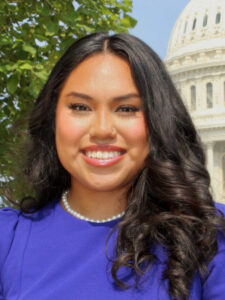
“We often fail to appreciate the people who are helping to feed our families, the hard work they do, and the difficult working conditions they have,” Hernandez-Mendoza.
Last summer Hernandez-Mendoza interned with the National Migrant Head Start Association in Washington, D.C., where she lobbied lawmakers to vote for bills that support and protect farm workers.
One program at WSU both say is critical to protect is the College Assistance Migrant Program (CAMP).
“I didn’t have a lot of friends when I came here, and it was only when I got connected with CAMP, that I got excited about being at WSU and it motivated me to do my best,” Vidrancos said.
“Coming from a farm-working background, I felt incredibly strange when I first arrived on campus — like an imposter,” Hernandez-Mendoza said. “CAMP provided me with a community unlike anything I had experienced before and I didn’t feel alone.”