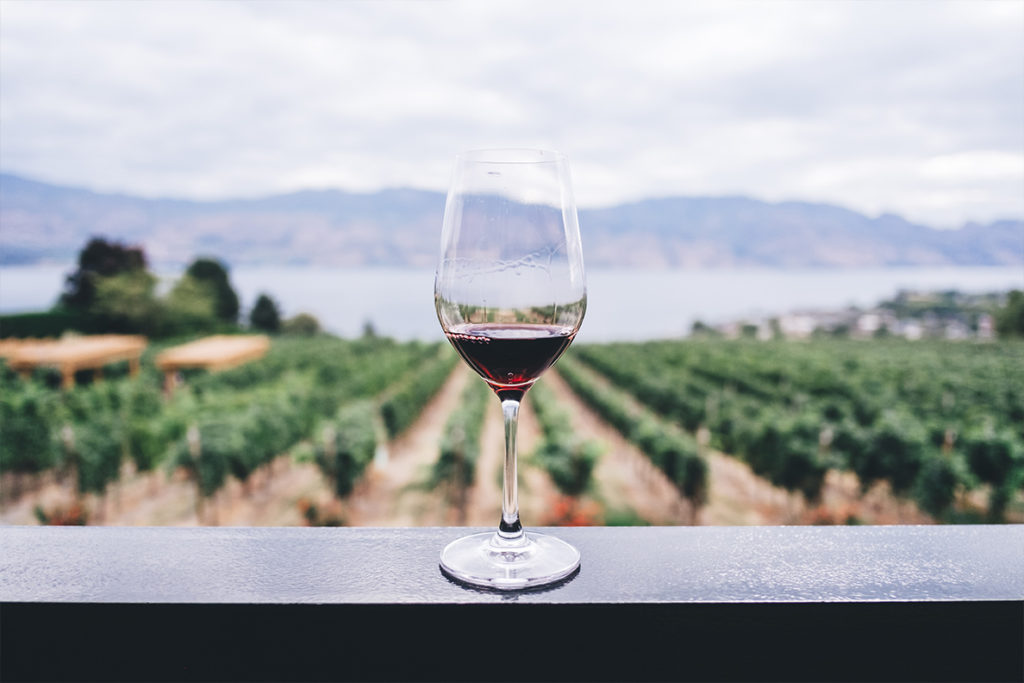
Award winning wines tend to be more complex and the best have high ethanol and sugar levels.
That’s the finding of a recent paper in the Journal of Wine Research from Washington State University scientists, working with a colleague at the University of Lisbon in Portugal.
The researchers wanted to know what characteristics were prevalent in the wines that won the top awards at an international wine competition.
To find out, they crunched several years of data from the Mundus Vini Challenge, which is held twice a year in Germany.
Their analysis shows large wine challenges tend to favor wines with high ethanol and sugar levels. Flavors often associated with sweetness, including exotic fruits in white wines and dried fruit and spiciness in reds, also increase the chances of winning top prizes.
Conversely, white wines with tones of acidity and astringency and red wines of green/vegetative and red berries tended to not receive the top awards.
But simply making the wines sweeter, or less vegetal, may not make an award-winning wine.

“Complexity and harmony are hard to define,” said Carolyn Ross, WSU professor in the School of Food Science and an author on the paper. “According to the data, you may want to add more exotic fruits, or spiciness. But that may have an impact on the broader attributes of the wine. The fact remains it will always be very impressive to make a wine that wins an award at a prestigious competition.”
Previous research has looked at factors like pH level or acidity of award-winning wines, but the complexity of those characteristics made the results hard to quantify simply. This new data breakdown helped scientists find more specific characteristics, Ross said.
Wine awards can have a huge impact on marketing, so competition at prestigious international events is fierce.
“Some people will decide between two different wines just because one has an award sticker on it,” Ross said. “There’s a major positive impact for a winery.”
Media contact:
- Carolyn Ross, WSU/UI School of Food Science, 509‑335‑2438, cfross@wsu.edu