Rainier cherry developer dies at 88

The research scientist who developed the Rainier cherry in the 1950s at Washington State University’s research station in Prosser, Wash. died Oct. 6 after a heart attack.

Harold Warman Fogle, 88, finished his doctorate in 1949 at West Virginia University. He then accepted a research position at the WSU research center in Prosser where he developed the Rainier cherry.

In 1952, Fogle cross-pollinated the Bing cherry with the Van cherry. The resulting crop was the Rainier cherry, a sweet, shiny and yellow cherry.  The cherry was named after Mount Rainier, which is the highest peak in the Cascade Range.

The fruit was released in 1960, and due to its delicate nature was much pricier than other cherry varieties.

Fogle’s goal was to develop new cherry varieties that would work well with the short growing season of the Bing cherry, according to a 2004 article in Time Magazine. 

After Fogle developed the Rainier cherry, he went on to work for the U.S. Department of Agriculture to study and develop pitted fruits, including two peach varieties, apricots, and the Bluebyrd plum.


Next Story

Recent News

Greek Week success provides big support for Pullman downtown businesses

Over 1,500 students from WSU Pullman’s Greek community recently converged on downtown Pullman to help with many projects including spring cleaning, food distribution at the Community Action Center, organizing trivia for Bishop Place residents, and raising money to support local businesses.

Jon Haarlow to lead Washington State Athletics

Haarlow, who has served as interim athletic director since Nov. 12, 2025, will be introduced at a press conference in the Alger Family Club Room at Gesa Field, Monday, April 20, at 11 a.m.

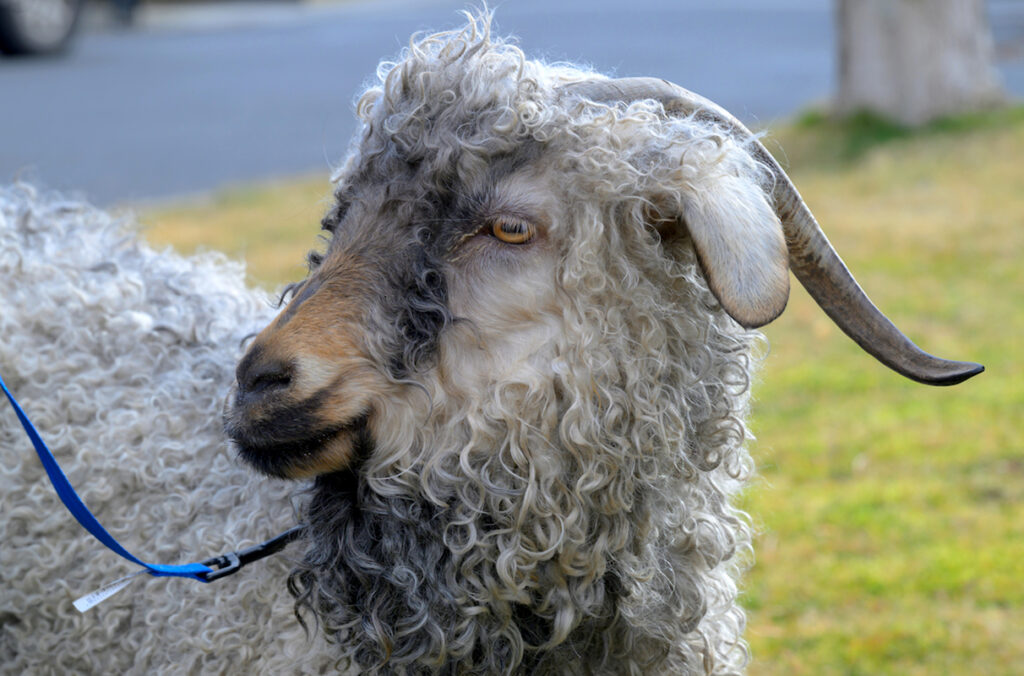
Rare Angora goat rejoins her herd after surgery at WSU

A rare Angora goat from northern Idaho has returned to her herd after WSU veterinarians performed a minimally invasive surgery to remove cystic ovaries that had been threatening her health and behavior.

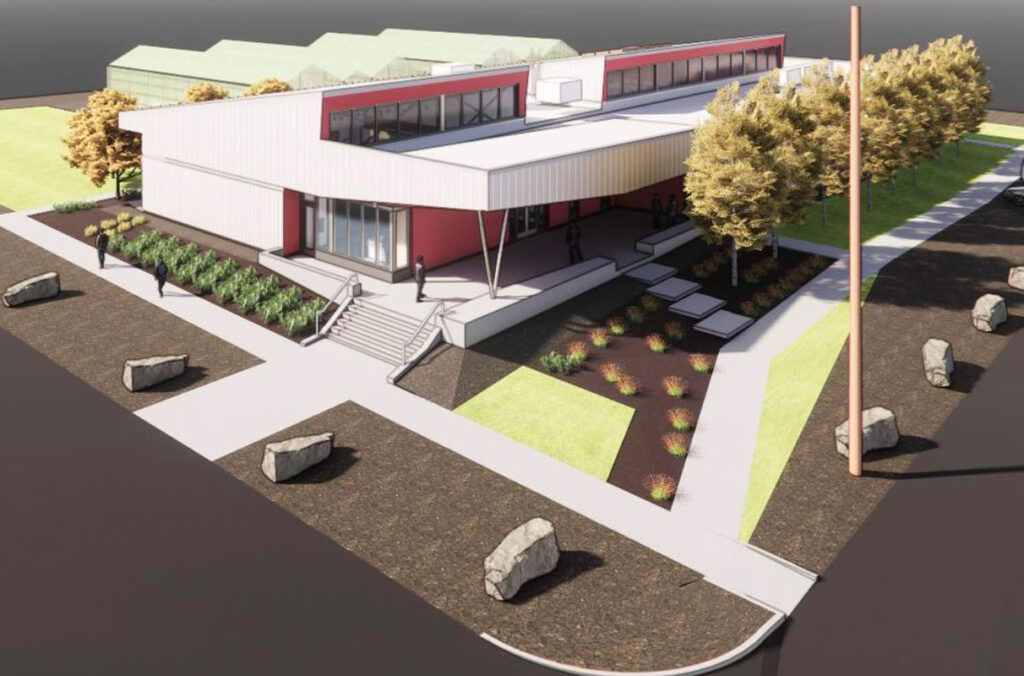
Construction begins for new WSU Plant Growth Facility

Construction of the $18 million, 24,000-square-foot facility is expected to wrap up in a year, with an opening planned for summer 2027.

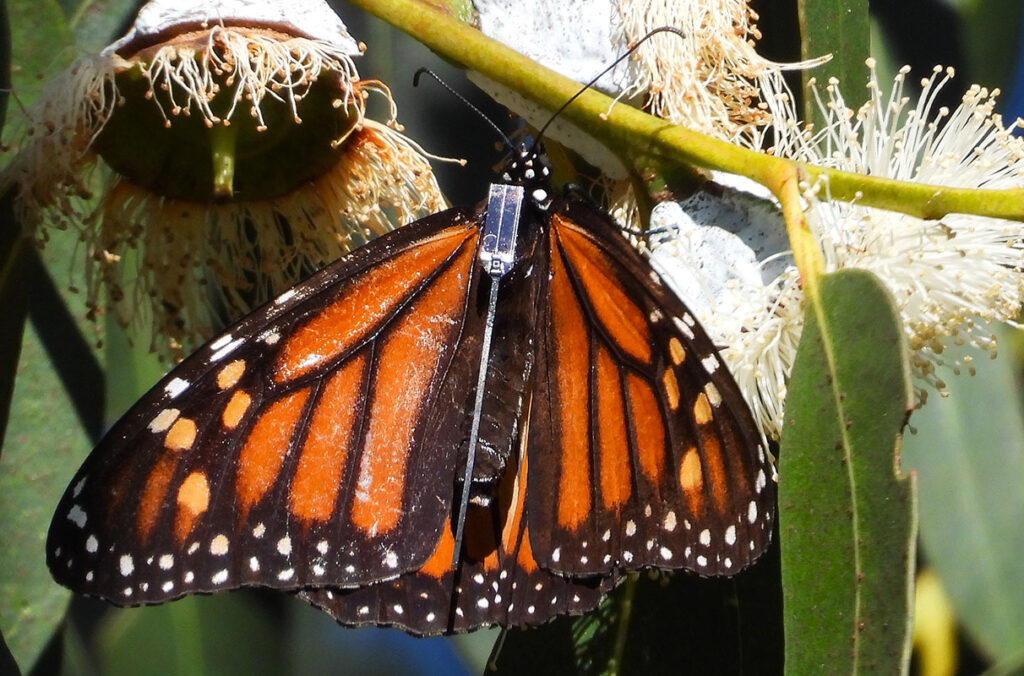
New tech allows WSU professor to boost tracking of monarch butterflies

New high-tech tracking tags are helping a WSU scientist follow monarch butterflies in near real time, offering new clues about their mysterious migration routes and how to better support their survival.